Cladding Bathroom Tiles
-
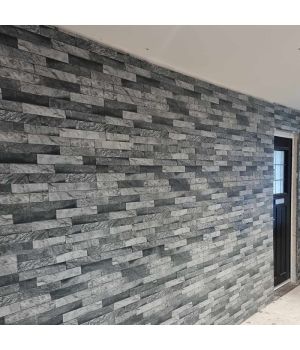
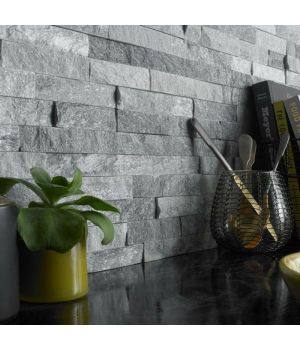
Ledgestone Grey Porcelain Cladding£ 24.97 /m2 Regular Price £30.00 /m2 -
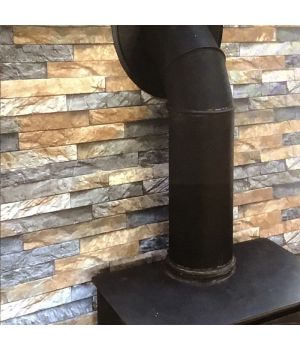
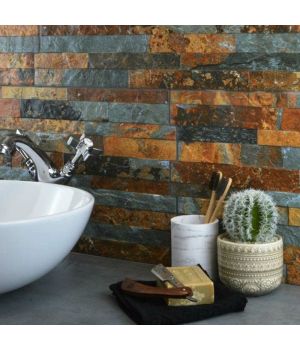
Ledgestone Ocra Split Face Slate Effect Porcelain Cladding£ 17.97 /m2 Regular Price £30.00 /m2 -
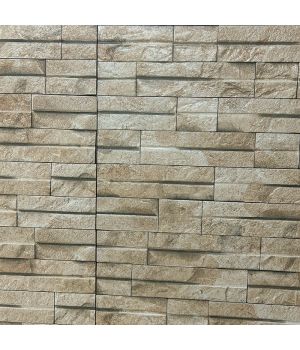
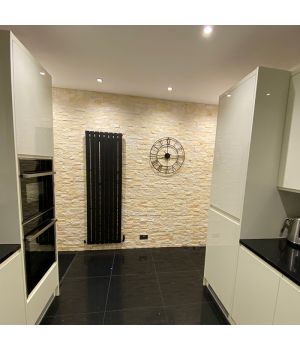
Ledgestone Cream Porcelain Cladding£ 17.97 /m2 Regular Price £24.78 /m2 -
Ledgestone Cream 3D Porcelain Cladding£ 17.97 /m2 Regular Price £24.78 /m2 -
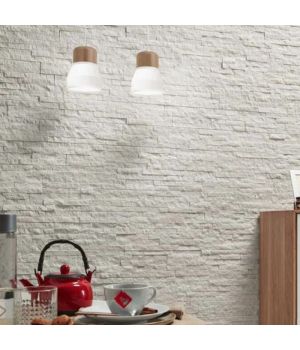
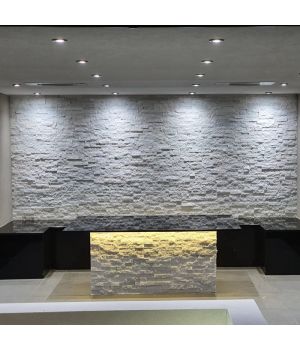
Ledgestone Sparkle White Cladding£ 59.97 /m2 Regular Price £64.00 /m2 -
Ledgestone Sparkle Ice Grey Cladding£ 59.97 /m2 Regular Price £72.00 /m2 -
Pompeya Oxido Multi Porcelain Wall Tiles£ 34.97 /m2 Regular Price £42.00 /m2
Porcelain Cladding Bathrooms
This page features porcelain cladding and stone-effect wall tiles for bathrooms — covering textured feature walls, shower areas and statement zones of all sizes.
Expect durable, moisture-resistant porcelain with a realistic stone finish, available in tones from light cream and ivory through to deep charcoal and black.
Free tile samples let you check texture and colour at home before ordering, and 0% finance makes spreading the cost straightforward. See our full porcelain cladding range for every available style.


Why choose bathroom cladding tiles?
Porcelain cladding tiles are textured wall coverings that replicate stone and slate while staying thin, hard-wearing and at home in bathroom environments.
- Create dramatic feature walls behind freestanding baths, in walk-in showers or around vanity areas without complex construction work.
- Porcelain cladding is moisture-resistant, hard-wearing and far easier to maintain than genuine natural stone.
- Realistic stone and slate effects at a fraction of the weight and thickness of full stone cladding.
- A wide choice of colours and surface textures to work with both modern and more rustic bathroom schemes.
- Formats such as 600x300mm are manageable to handle and cut, reducing installation difficulty on typical bathroom walls.
Order free samples before committing — texture and colour read very differently on a bathroom wall compared with a screen.
Choosing colours, textures and finishes
This range covers stone-effect, slate-effect and split-face style porcelain cladding in tones from pale ivory through to near-black charcoal.
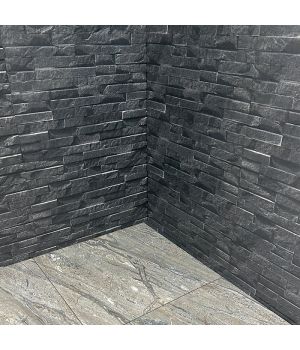
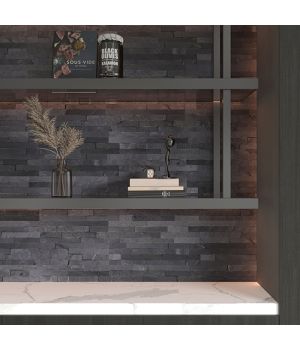
- Deep blacks and charcoals — Ledgestone Black and Rock Panel Black styles — for bold, hotel-inspired bathroom feature walls.
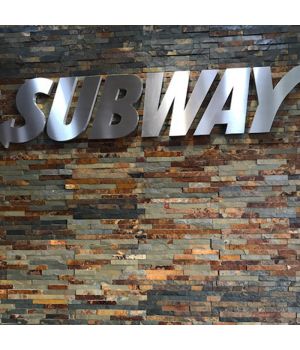
- Black and rust and Ocra blends for warm, earthy walls with rich multi-tone variation that adds depth to any bathroom scheme.
- Cream and ivory options including Ledgestone Cream and Rock Panel Ivory Cream for softer, spa-style interiors.
- Grey cladding for versatile, contemporary looks that sit easily alongside plain porcelain tiles and most sanitaryware.
- Sparkle White and Sparkle Ice Grey cladding offer subtle shimmer, a useful quality in bathrooms where light is limited.
If you are considering a more authentic material, our stone cladding tiles provide a natural alternative with their own character and texture.
Where to use cladding in your bathroom
Porcelain cladding is primarily a wall product. In wet or shower zones, correct substrate preparation, waterproofing and grout selection are all required — your installer should confirm suitability before work begins.
- Full feature walls behind freestanding baths or walk-in shower areas for maximum visual impact.
- Alcoves, niches and chimney breast panels in bathroom conversions, where texture adds architectural interest.
- Shower enclosures and wet zones when paired with appropriate tanking membranes and waterproof grout throughout.
- Half-height cladding on a single wall, balanced with plainer tiles across the remaining surfaces.
- Cloakrooms and en-suites where textured walls deliver strong character in a compact footprint.
If you are planning installation for the first time, our how to fit stone wall cladding guide covers the key preparation and fixing steps worth understanding before starting.
Cladding tiles vs other bathroom wall finishes
Porcelain cladding is one of several options for bathroom walls — this comparison outlines where each tends to work best.
| Wall finish | Key benefits | Best for |
|---|---|---|
| Porcelain cladding tiles | Textured stone look, durable, low maintenance and very strong visually | Feature walls and statement bathroom zones |
| Ceramic or porcelain wall tiles | Smooth surfaces, extensive design range and easy to clean throughout | All-over bathroom walls and straightforward schemes |
| Natural stone cladding | Authentic material with genuine texture and unique character | Premium projects — higher cost and regular sealing required |
| Paint over plaster | Low upfront cost and quick to apply | Dry zones only — not durable in splash or wet areas |
Bathroom cladding tile prices
Porcelain cladding tiles offer a premium feature-wall result at mid-range prices — a fair distance below full-depth natural stone on either cost or upkeep.
| Price band (per m²) | What you can expect | Typical bathroom use |
|---|---|---|
| Around £17–£20 | Ledgestone Cream, Ocra and selected split-face styles — good entry-level texture and colour | Accent strips, splashbacks and smaller feature walls |
| Around £24–£26 | Ledgestone Black, Grey cladding and similar mid-range options with stronger visual presence | Full feature walls and shower zones |
| Around £35–£40 | Statement options including Pompeya Oxido Multi with rich, multi-tonal surfaces | High-impact walls where the tile is the focal point |
| Around £55–£60 | Sparkle White and Sparkle Ice Grey — premium shimmer finishes at the top of the range | Boutique bathrooms and luxury feature walls |
Total project cost varies with wall size, layout, adhesive and labour. Ordering samples first helps confirm that texture, tone and finish all work in your space before committing to quantity.
Caring for bathroom cladding tiles
Porcelain cladding is considerably easier to maintain day-to-day than natural stone equivalents — no specialist products or regular sealing are typically required.
- Wipe cladding walls regularly with a soft cloth or sponge and a mild, pH-neutral detergent.
- Avoid harsh abrasive pads or powders that might damage textured tile faces or wear down grout lines.
- Rinse shower walls after use to prevent soap and shampoo residue settling into surface texture.
- Inspect grout and silicone joints in wet zones periodically and refresh them when your installer advises.
- Where natural stone cladding tiles are used, follow any sealing and re-sealing guidance supplied with the product.
A regular light clean is all most porcelain cladding walls need to stay looking sharp and well-maintained over time.


Bathroom cladding tiles FAQs
Q: Are porcelain cladding tiles suitable for shower walls?
Yes, when installed with appropriate waterproofing, adhesive and grout. The wall substrate must be properly prepared and tanked before any cladding tiles are fixed.
Q: Can I use cladding tiles on every bathroom wall?
You can, though cladding tends to work best as a feature on one or two walls. Covering every surface can feel heavy in smaller bathrooms.
Q: Do bathroom cladding tiles need sealing?
Porcelain cladding does not require sealing. Natural stone variants may need it — always check the individual product specification and follow installer recommendations for grout lines.
Q: How heavy are cladding tiles compared with standard wall tiles?
Porcelain cladding tiles are heavier than standard ceramic wall tiles. Your installer should assess the wall substrate and use a suitable heavy-duty adhesive throughout.
Q: Can I mix cladding tiles with standard bathroom tiles?
Yes — this is a very common approach. A single cladding feature wall paired with plain porcelain or ceramic tiles elsewhere balances impact with practicality and cost.