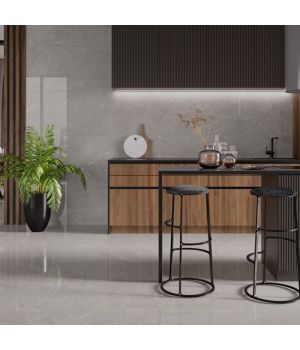
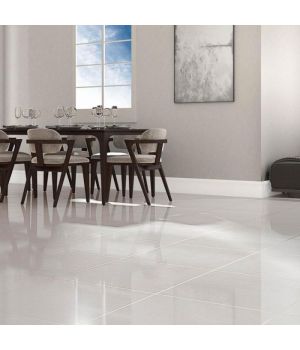
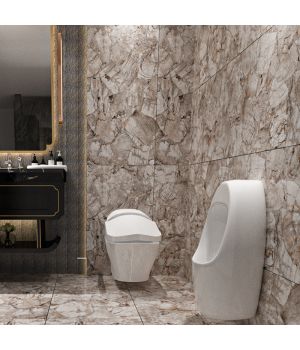
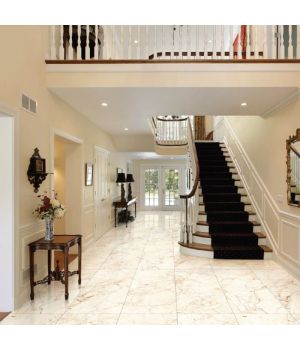
Ivory Kitchen Tiles
-
Tapa Blanco Matt Concrete Effect Porcelain Tiles£ 22.97 /m2 Regular Price £44.00 /m2 -
Liso Ivory Bone Gloss Brick Tiles£ 22.97 /m2 Regular Price £29.00 /m2
Ivory Modern Kitchen Tiles
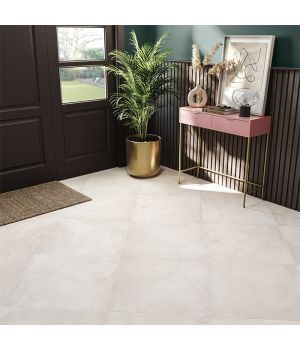
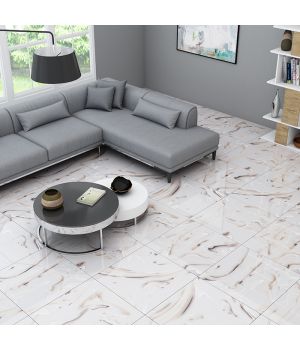
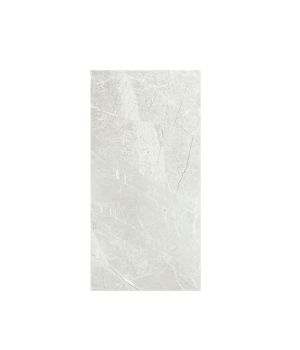
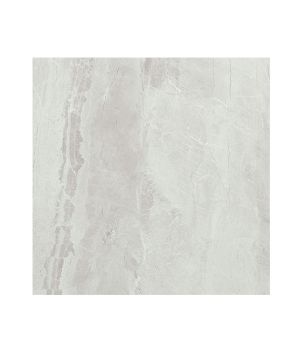
Ivory kitchen tiles cover floors, walls and splashbacks with a light, neutral tone that sits between crisp white and warmer cream without committing fully to either. This range includes plain, marble-effect and sandstone-effect porcelain and ceramic in matt, satin and polished finishes — enough variety to suit a classic country kitchen or a sharper, more contemporary scheme. Ivory is quietly reliable in a kitchen setting.
Why Choose Ivory Tiles in a Kitchen?
- Ivory is softer on the eye than pure white, giving a kitchen a warmer, more liveable feel without the yellow undertone that some cream tiles carry into cooler-lit rooms.
- It reads brighter and fresher than most beige options, making it a useful neutral where you want warmth without visual weight.
- Ivory sits alongside white, wood, grey, navy and sage cabinets without requiring a carefully constructed scheme — it accommodates rather than competes.
- Unlike more trend-specific neutrals, ivory has appeared consistently in kitchen design across decades and shows no sign of dating in either classic or contemporary settings.


Ivory Wall Tiles vs Ivory Floor Tiles
- The full ivory tiles range covers both wall and floor options across formats, finishes and price points — worth browsing before fixing on a layout.
- Ivory satin ceramic wall tiles give kitchen splashbacks and feature walls a gentle sheen that bounces light without the maintenance demands of a fully polished surface.
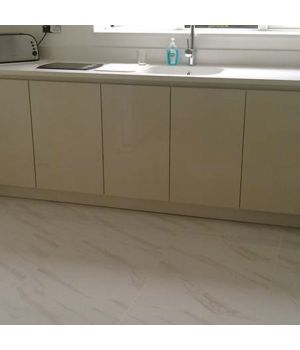
- For kitchen floors, ivory porcelain in plain, marble-effect or sandstone-effect finishes delivers the durability and easy cleaning a hard-working kitchen surface needs.
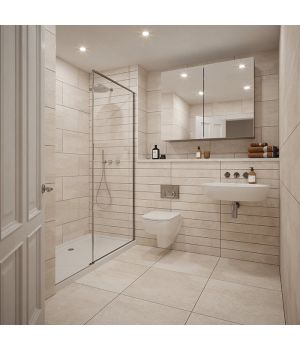
- Using the same ivory tile on both walls and floor creates a calm, cohesive look; pairing ivory walls with a subtly patterned ivory floor adds quiet interest without introducing a second colour.
Ivory Tile Finishes for Kitchens
Finish changes both the visual character of ivory tiles and how much attention they'll need in a kitchen environment.
| Finish | Look & Feel | Best Kitchen Use |
|---|---|---|
| Matt Ivory | Soft, hides everyday marks | Kitchen floors and splashbacks |
| Satin Ivory | Subtle sheen, gentle light bounce | Wall tiles and feature areas |
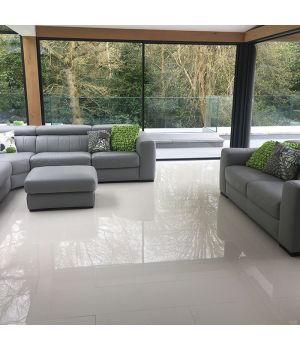
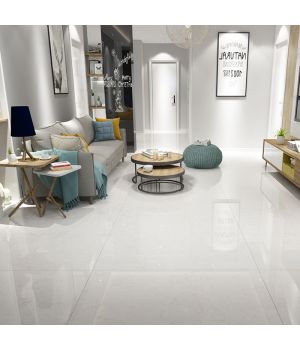
| Polished Ivory | High shine, bright and luxurious | Open-plan floors and full-height walls |
Standout Ivory Kitchen Tile Options
- Ivory Polished Porcelain brings a bright, hotel-quality finish to kitchen floors and walls where a plain matt would feel too flat for the scale of the room.
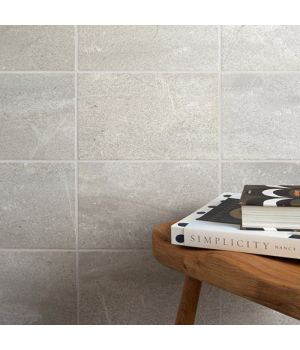
- Tuscany Ivory sandstone-effect porcelain gives kitchen floors and walls a softly varied surface that adds natural character without introducing a strong colour into the scheme.
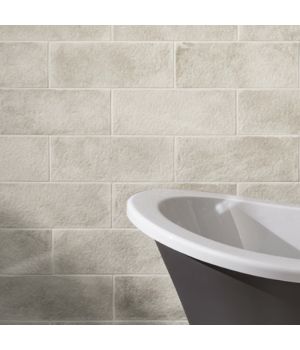
- Tones Ivory Satin ceramic works particularly well as an elongated splashback tile — the format reads cleanly above worktops and adds a modern edge to an otherwise classic palette.
- Sicily Beige Ivory matt porcelain sits in the warm end of the ivory range, making it a good match for kitchen walls in schemes that lean towards natural stone and timber finishes.
Ivory Kitchen Tile Prices
| Budget Level | Price Per m² | Typical Ivory Tiles |
|---|---|---|
| Budget | From £12.97/m² | Ivory sandstone and marble-effect porcelain |
| Mid-Range | £17.97–£22.99/m² | Plain and polished ivory porcelain, walls and floors |
| Premium | £29.99–£34.99/m²+ | Satin-format ceramics and designer ivory ranges |
Ivory tiles span every budget level, from entry-point sandstone-effect porcelain to premium satin ceramics — a considered scheme is achievable without stretching the budget. Use 0% finance to spread the cost, or order free samples to compare how different ivory tones and finishes look in your kitchen before placing a full order.


Ivory vs Cream vs White in Kitchens
- Ivory occupies a useful middle ground between crisp white and richer cream — it gives warmth without the depth of tone that can make some cream tiles feel heavy in a smaller kitchen.
- In cosy, family-focused kitchens or north-facing rooms, ivory avoids the coldness that bright white can introduce while still keeping the space feeling light and open.
- Where deeper cream tiles feel a touch too warm or yellow against modern cabinetry, ivory reads fresher — still neutral and welcoming, but with a cleaner finish.
- The distinction between ivory and cream is subtle but matters in practice: hold samples of both against your cabinet doors and worktop in the actual kitchen to see which tone sits more naturally.
Styling Ideas with Ivory Kitchen Tiles
For related neutral-colour kitchen scheme inspiration, 10 popular cream tiles covers adjacent tone combinations worth considering alongside ivory.
- Ivory polished floors with white cabinets and black hardware create a smart, quietly monochrome kitchen where the ivory adds warmth that flat white flooring wouldn't.
- Ivory sandstone-effect tiles with shaker units in a painted or natural finish and an oak worktop produce a classic country kitchen that doesn't rely on pattern or colour to feel complete.
- Ivory wall tiles paired with a darker island or stone worktop give gentle contrast without drawing on a second colour, keeping the scheme composed.
- In smaller kitchens, ivory helps the room read as bright and open without the clinical edge that can come with stark white surfaces — it's a practical choice as much as an aesthetic one.
Practical Tips for Choosing Ivory in Your Kitchen
- Check ivory tile samples in your kitchen under both natural daylight and artificial lighting — some ivory tones shift noticeably warmer or cooler depending on bulb temperature and room aspect.
- On floors, a sandstone or marble-effect ivory hides everyday kitchen marks and scuffs more effectively than a plain, very pale ivory that reads closer to white.
- For kitchen floors in family homes, particularly near sinks and back doors, always check the slip-resistance rating before ordering — porcelain is durable and easy to maintain, but finish affects grip.
- Order two or three ivory samples and compare them side by side against your cabinet, worktop and any existing wall colour — similar tones on screen can look meaningfully different in the room.
Ivory Kitchen Tiles — FAQs
Are ivory kitchen tiles easy to keep clean?
Yes — particularly porcelain, which is low-absorption and wipes down quickly. A matt or satin finish hides everyday marks better than polished ivory in a heavily used kitchen.
Do ivory tiles show dirt more than darker colours?
More than very dark tiles, yes — but a textured or patterned ivory is far more forgiving than plain white. Grout colour also plays a significant role in day-to-day appearance.
What cabinet colours work best with ivory kitchen tiles?
White, wood, grey, navy and sage green all sit naturally with ivory. It's a flexible neutral that adjusts to both warm and cooler cabinet tones without creating tension in the scheme.
Are polished ivory tiles practical for kitchen floors?
They're durable and easy to clean, but polished finishes can be slippery when wet. Check the slip rating and consider a matt or satin finish in wet zones near the sink.
Can I use the same ivory tiles on my kitchen floor and walls?
Yes — it creates a calm, cohesive look throughout the kitchen. Vary grout colour or tile format between surfaces if you want floor and wall to register as distinct elements.