Cookie
This website requires cookies to provide all of its features. For more information on what data is contained in the cookies, please see our Privacy Policy page. To accept cookies from this site, please click the Accept button below.
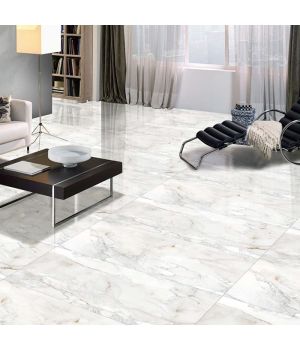
Tile Flooring Options
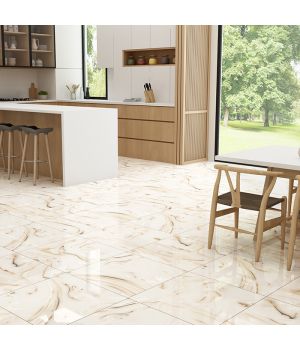
If you feel that it’s the right time to change the look of floors in your home then you will be pleased to know that we have a vast array of options available in a wide variety of styles, colours and materials. Floor tiles are a popular choice for bathrooms and kitchens but can also be used in other areas of your home. Floor tiles are chosen to add style to porches, hallways, living rooms and conservatories, with certain products even being suitable for exterior areas.
Reasons to Choose Floor Tiles
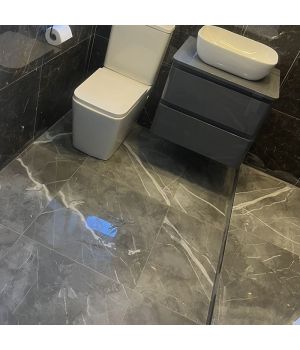
Not only are floor tiles selected for style reasons but they are also chosen to provide areas with a surface which is both durable and easy to maintain. In bathrooms, floor tiles are an obvious choice opposed to carpet and other floor materials, including natural wood. Tiles are more resilient against exposure to moisture and heat fluctuation opposed to these aforementioned materials. Within this collection you can also select from a vast array of kitchen floor tiles.
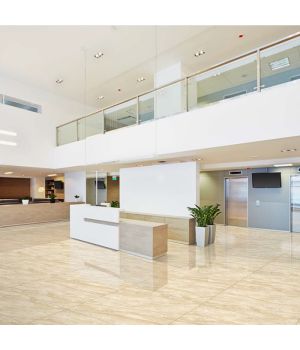
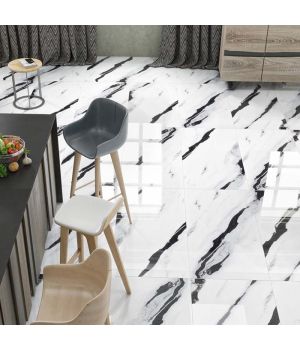
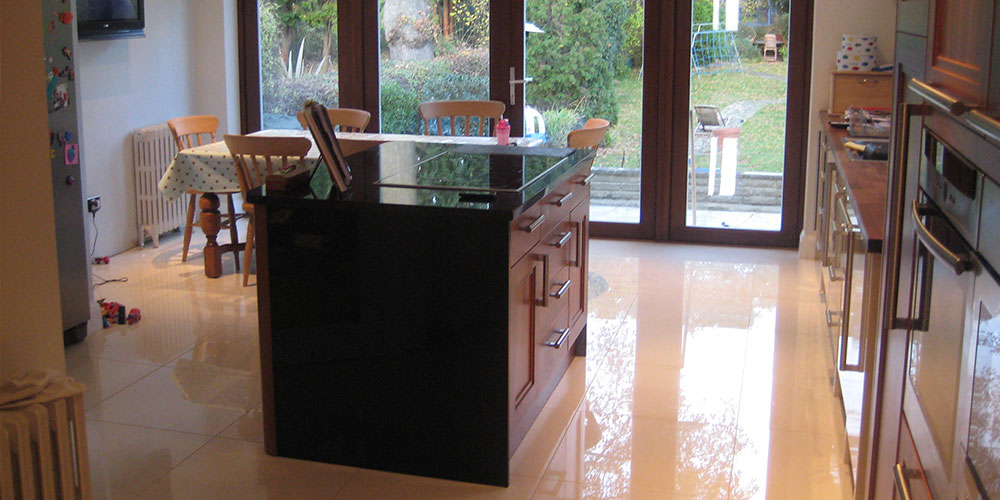
Modern kitchens are multifunctional rooms which are more than just an area for the preparation and cooking of food as many also incorporate dining areas and a place to relax. The flooring material therefore needs to have the required strength and durability to withstand high levels of foot traffic. Tiles are an obvious option as they provide a practical, long lasting and cost effective covering. Throughout this floor tile section you can select from a vast array of products. Not only are floor tiles acquired for home designs but they are also selected for many commercial projects.
Floor Tile Styles
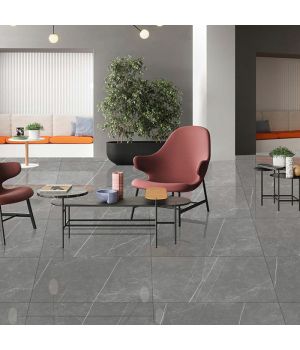
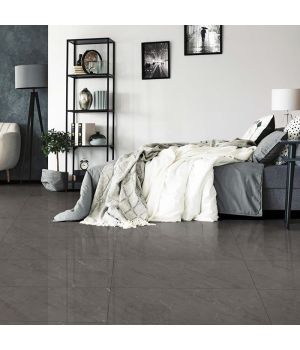
With such a wide array of products to select from throughout our floor tile range you have the perfect opportunity to create the design of your dreams. You have a huge collection of premium floor tiles to choose from within this section. Current trends include neutral colours such as cream and grey tiles.
Natural Stone Floor Tiles
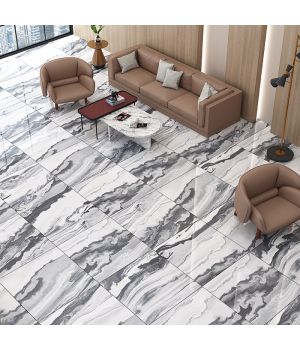
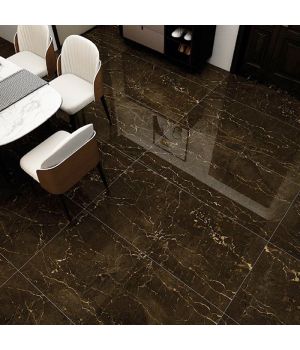
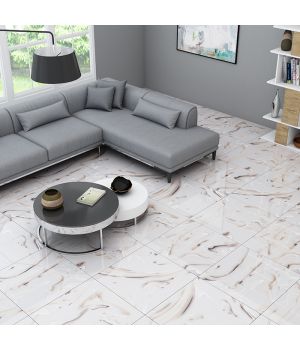
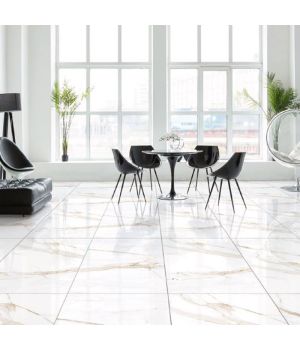
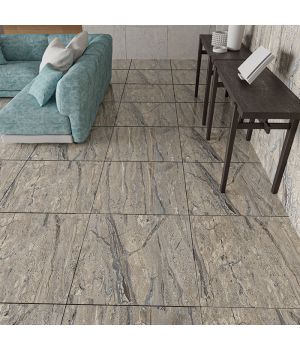
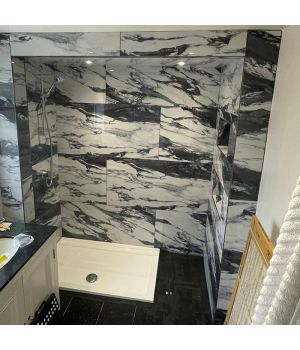
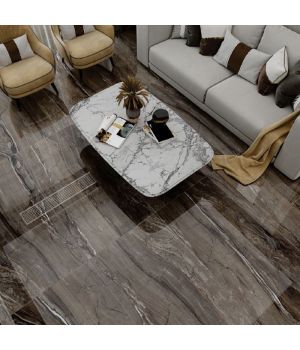
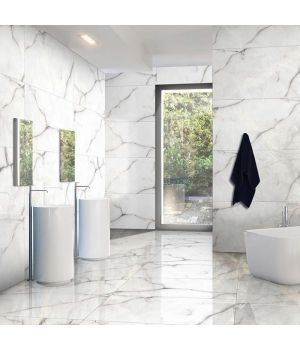
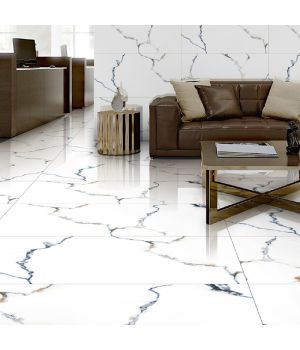
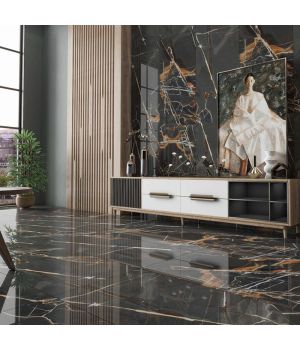
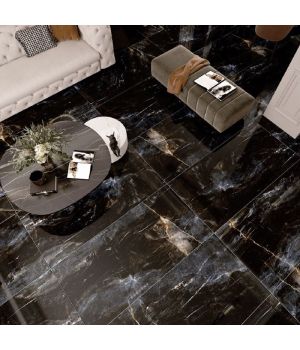
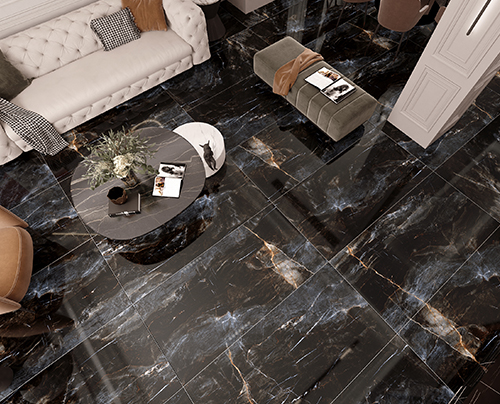
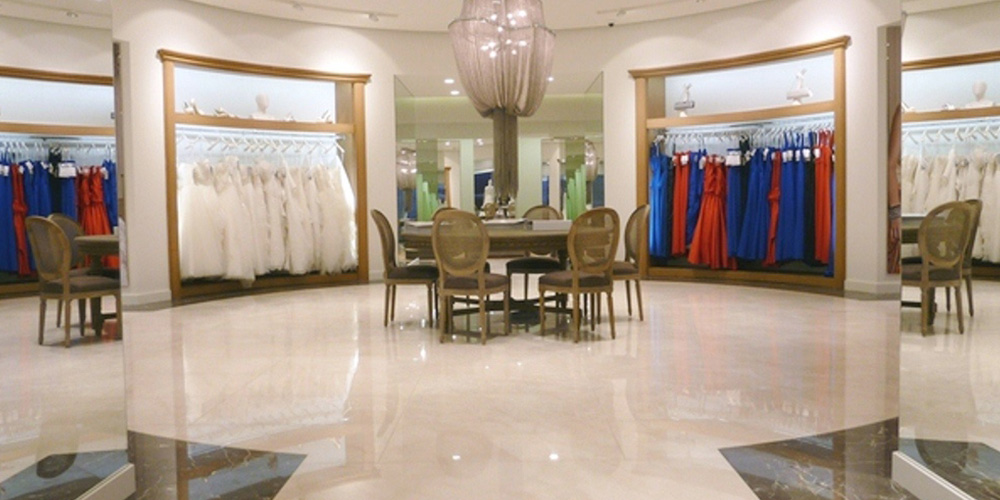
Create a unique look by choosing from our premium range of natural stone floor tiles. Natural stone has a distinctive character which can transform the appearance of your home décor. Our natural stone range comprises of premium varieties of marble, granite, limestone, slate and travertine. Each natural stone variety has its own individual style, for example; the veined look of marble, the riven texture of slate and granite can be both sparkly and mottled. A popular trend is to use natural stone tiles as flooring in living rooms as part of open plan designs. Stone flooring is also used traditionally in bathrooms and kitchens and can also be put to great use within a conservatory. Furthermore, you can also select from an array of porcelain and ceramic tiles which have a natural appearance. Natural stone effect tiles provide an authentic look and all the practical qualities you would expect from an engineered product.
Sparkly Floor Tiles
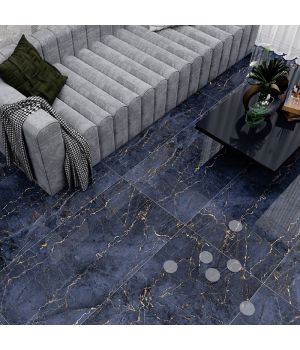
or a standout look on floors you can select from a range of sparkly tiles. Sparkly floor tiles produce a truly unique appearance and can brighten the look of any room. Quartz tiles are a good flooring option, they feature a surface covered in mirror pieces which reflect light to provide a distinctive sparkle. Sparkly flooring adds something a little different to bathrooms and kitchens. Certain granite tile varieties also have a sparkly look.
Patterned Floor Tiles
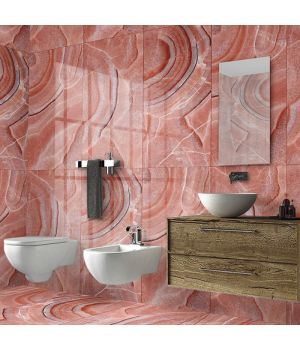
Patterned flooring provides a trendy look and can be used as part of a range of interior layouts. These tiles are great if you are looking to produce a decorative look. Patterned feature tiles are ideal for porch designs and hallways in addition to bathrooms, kitchens and conservatories. If you’re interested in acquiring patterned feature floor tiles for your next project then you can select from a variety of colours and styles including vintage, retro and geometric.