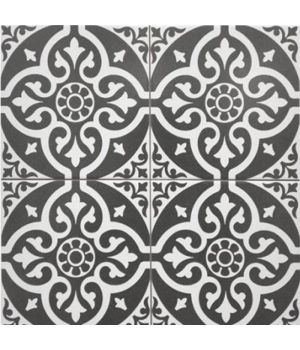
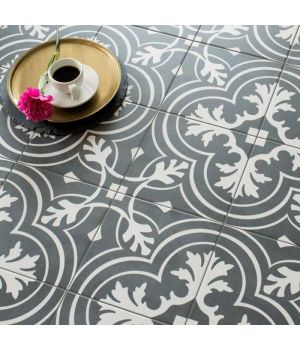
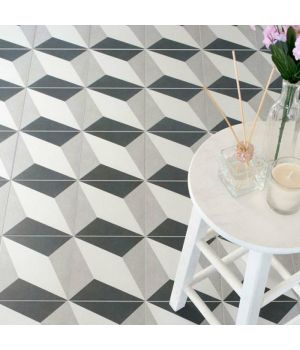
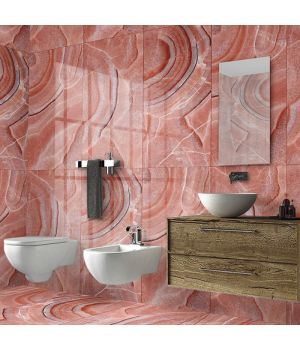
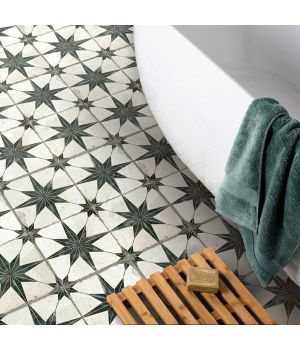
Patterned Wall Tiles
-
Jazz Pink Marble Effect Porcelain Tiles£ 19.97 /m2 Regular Price £51.02 /m2 -
Vanato Hexagon White Marble Effect Tiles£ 34.99 /m2 Regular Price £56.00 /m2 -
Vanato Hexagon Dark Grey Marble Effect Tiles£ 34.99 /m2 Regular Price £56.00 /m2
Feature Wall Ideas Using Patterned Tiles
Patterned tiles add warmth, movement and personality to a wall in a way that paint or a uniform plain tile rarely achieves. A single wall of patterned tiles can define an entire room without a single other change to the space.
What are patterned wall tiles?
Patterned wall tiles are decorative tiles with designs either printed onto the tile surface or formed into the material itself during manufacture. The pattern can be geometric, botanical, abstract, tonal or figurative — the category is broad, which is part of what makes it useful for such a wide range of interior briefs.


Pattern styles: bold or subtle?
The patterned wall tile range here covers two broadly different design directions, and understanding the difference between them makes it easier to match the right tile to the right room and the right ambition for the wall.
Ideas for bold patterned feature walls:
- A single wall of high-contrast geometric patterned tiles in a bathroom — floor to ceiling behind the bath or shower — creates a focal point that needs nothing else to complete the room.
- A bold patterned splashback in a kitchen with plain white or cream cabinets introduces colour and personality without redesigning the kitchen around a dominant tile.
- A chimney or alcove in a living room tiled in a strong repeat pattern functions as a permanent feature wall that is more durable and less demanding to maintain than wallpaper.
- A small cloakroom tiled entirely in a bold pattern reads as intentional rather than overwhelming — compact rooms are often where confident tile choices work best.
Ideas for subtle patterned wall schemes:
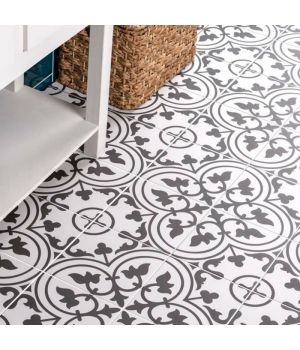
- A full bathroom in a softly tonal patterned tile — where the design only reveals itself on closer inspection — adds texture and depth without the visual intensity of a high-contrast pattern across every wall.
- A kitchen wall covered in a fine-lined or lightly embossed patterned tile coordinates naturally with both dark and light cabinetry, since the pattern is supportive rather than competing.
- Subtle patterned tiles distributed among plain tiles at regular intervals across a wall create a sense of variation without a definable repeat — particularly effective in larger bathrooms and open-plan kitchens.
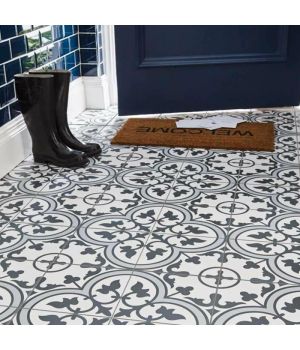
- A hallway tiled in a low-contrast geometric pattern gives a period-appropriate finish that reads as deliberate and characterful without demanding a specific furniture or paint colour scheme around it.
For more ideas on how patterned tiles work as feature walls and across different room types, take a look at tile ideas for a feature wall and the broader 101 wall tile designs to impress the neighbours article.
Choosing patterned wall tiles for each room
A patterned tile that works brilliantly on a bathroom feature wall will not automatically work on a kitchen splashback — and vice versa. The room conditions, the amount of wall being covered and what the tile needs to sit alongside all influence which direction to go in.
For bathroom tiles and kitchens, moisture performance and ease of cleaning shape the practical side of the decision, while pattern scale and colour determine how much visual work the tile does in the space. For kitchen tiles specifically, the pattern also needs to coexist with whatever is already fixed in the room — units, worktops and appliances that are unlikely to change when the tiles go in.
Bathroom and kitchen tips:
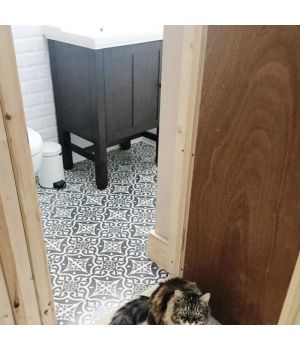
- In a bathroom, limit bold patterned tiling to one wall — the wall behind the bath, the shower enclosure or the basin wall — and keep the remaining walls in a plain coordinating tile or paint to prevent the room from feeling overstimulating.
- Porcelain patterned tiles are moisture-resistant and fully suitable for shower walls and wet areas — the pattern is printed or formed into a tile body that performs the same as any other porcelain wall tile in a wet zone.
- In a kitchen, a patterned splashback works best when the pattern picks up at least one colour already present in the room — a tile that connects to the worktop tone, the cabinet colour or an existing kitchen accessory reads as considered rather than added on.
- Glazed and gloss-finished patterned tiles are easier to keep clean in kitchen splashback positions — grease and cooking residue wipe from a smooth gloss surface more quickly than from a heavily textured or matt patterned tile.
- Pair a patterned tile in a wet or cooking area with a plain tile in the same colour family for adjacent walls — this keeps the scheme coherent without doubling the pattern across every surface in the room.
Living-room and hallway feature-wall ideas:
- A patterned tile feature wall in a living room — behind a sofa, around a fireplace or as a recessed alcove panel — gives the room a permanent decorative anchor that needs no maintenance beyond occasional cleaning.
- In a hallway, a patterned tile dado from skirting to mid-wall height is both practical at contact-zone height and visually distinctive — a better alternative to painted plaster that scuffs and marks in heavy-use corridors.
- A patterned tile chimney sets the visual tone for the whole room without requiring the surrounding walls to follow the same scheme — paint the rest of the room in one of the tile's background colours for a coherent result.
- Use a contained patterned tile panel — framed by plain tiles or a simple border tile — in a living space to define a zone rather than covering the full wall, which keeps the pattern legible and purposeful.
The 101 wall tile designs to impress the neighbours article covers patterned tile use across multiple room types with real-room examples.
Compare patterned wall tile styles
Not sure which pattern direction suits your room? This quick reference covers the three main approaches in the range.
| Pattern style | Main benefits | Best wall uses |
|---|---|---|
| Bold patterned feature tiles | High contrast and strong motifs that define a wall instantly — no other decoration needed. | Single feature walls in bathrooms, kitchen splashbacks, living-room chimney and cloakrooms. |
| Subtle patterned tiles | Low-contrast designs that add texture and depth across larger areas without overwhelming the room. | Full bathroom walls, open-plan kitchen areas and hallways where pattern needs to work at scale. |
| Neutral patterned tiles | Muted colour palette with surface pattern — easy to coordinate with existing fittings and furniture. | Bathrooms, living rooms and hallways where flexibility to change the surrounding scheme is important. |
Patterned wall tile prices
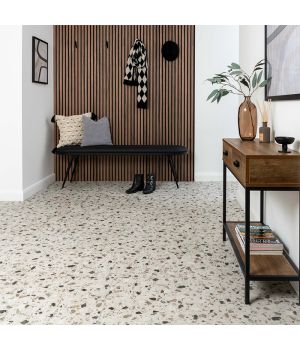
Patterned wall tiles at TilesPorcelain span a wide range of price points — from accessible geometric designs through to premium decorative options with more complex print detail or specialist finishes. Prices vary by material, pattern complexity, tile size and any deals running at the time, and the product grid always shows live pricing.
| Price band | Approx. price per m² | Typical products |
|---|---|---|
| Good-value | Around £20–£30 per m² | Simple geometric motifs, tonal patterns and entry-level decorative tiles in standard formats. |
| Mid-range | Around £30–£45 per m² | More detailed repeat patterns, stone-effect patterned tiles and wider colour and finish options. |
| Premium | Around £45–£60+ per m² | Designer patterned tiles, complex multi-colour prints, specialist surfaces and statement decorative ranges. |


Patterned wall tiles FAQs
Are patterned wall tiles suitable for small bathrooms?
Yes, with the right approach. Use a patterned tile on one wall only and keep the others plain — this adds character without making a small bathroom feel enclosed or busy.
Can I use patterned wall tiles behind a kitchen hob?
Yes. Glazed porcelain patterned tiles are suitable in this position. A gloss or smooth-glazed surface is easier to clean of grease and cooking residue than a heavily textured one.
Should I mix patterned tiles with plain tiles?
In most rooms, yes. One patterned wall alongside plain tiles or paint gives the pattern space to read clearly. All-over patterned tiling works best in small, contained rooms.
Are patterned wall tiles harder to clean than plain tiles?
The tile surface cleans the same as any glazed ceramic or porcelain tile. Heavily textured patterned tiles hold more residue in recessed areas, so a smoother glazed finish is preferable in kitchens and shower areas.
Do patterned wall tiles go out of fashion quickly?
Geometric and tonal patterns with a long design history tend to hold their look well. Very trend-specific colours or motifs can date — choosing a classic pattern in a neutral palette reduces this risk considerably.