Porcelain Kitchen Tiles

Shop By
Shopping Options
Category
View as Grid List

Items 1-24 of 431

Set Descending Direction
Page
per page

Luxury Porcelain Floors & Walls

Porcelain kitchen tiles cover floors, walls and splashbacks with a hard-wearing, moisture-resistant surface that suits busy family kitchens as well as open-plan kitchen-diners. Browse the full kitchen tiles range to see how porcelain sits alongside other materials.

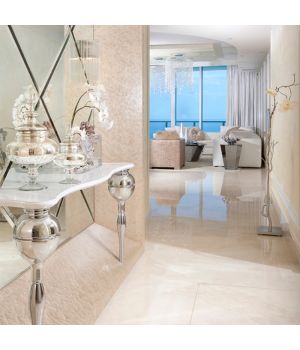
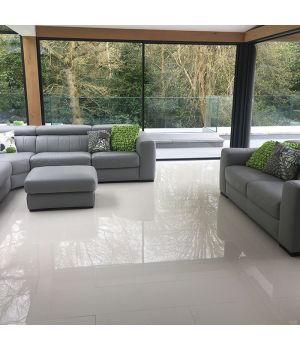
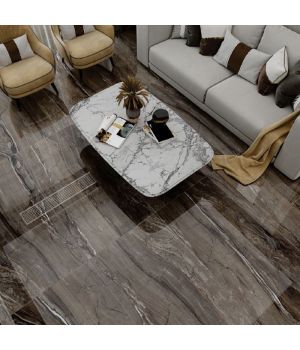
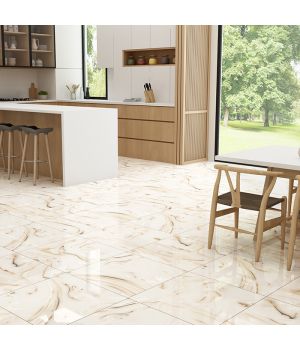
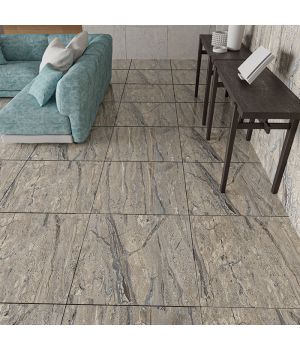
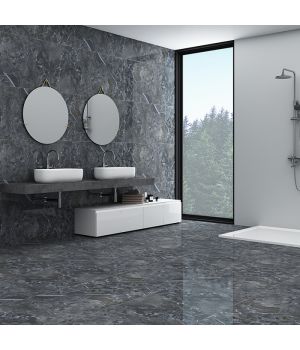
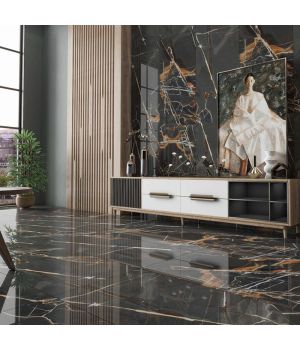
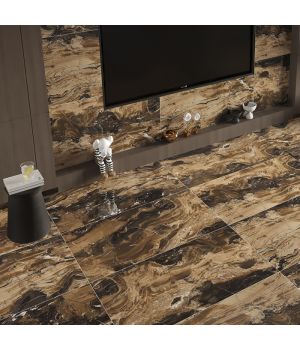
This range includes plain polished and matt porcelain, marble-effect designs and wood-effect options — practical formats and finishes for any kitchen style or budget.

Why Choose Porcelain for Your Kitchen?

Porcelain is fired at higher temperatures than standard ceramic, producing a tile that is denser, harder and significantly more resistant to moisture absorption. That density makes it well suited to kitchen floors where dropped items, heavy foot traffic and regular cleaning are daily realities.
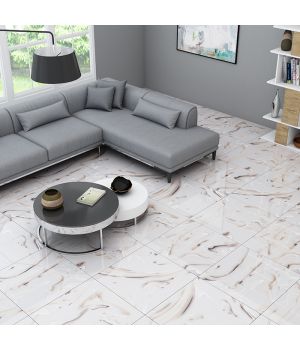
On kitchen walls and splashbacks, porcelain's stain resistance handles cooking splashes and condensation without long-term discolouration. In open-plan kitchens used continuously throughout the day, it holds up where softer materials begin to show wear. For a full breakdown of the differences, read the porcelain vs ceramic guide.

  • Very low water absorption — performs well in wet kitchen environments
  • Chip and scratch resistant, making it the practical choice for heavily used floors
  • Stain resistant without the sealing requirements of natural stone
  • Available in large formats that reduce grout lines and speed up cleaning

Style Options in Porcelain Kitchen Tiles

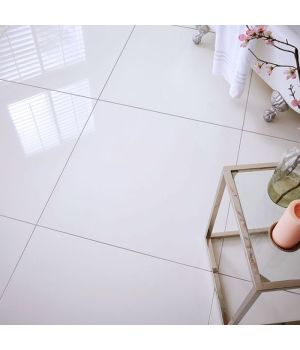
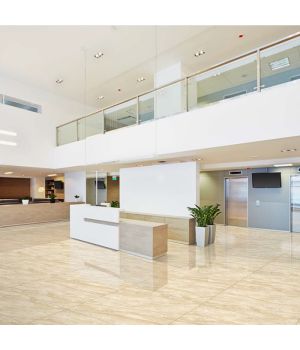
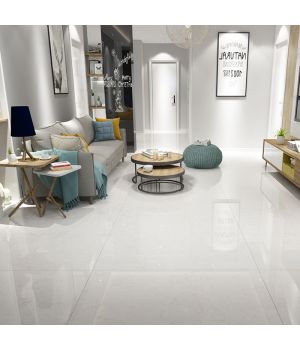
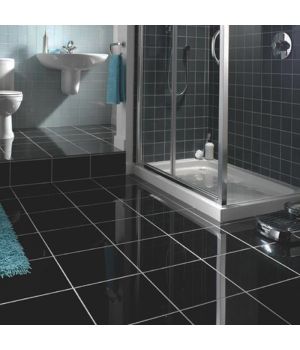
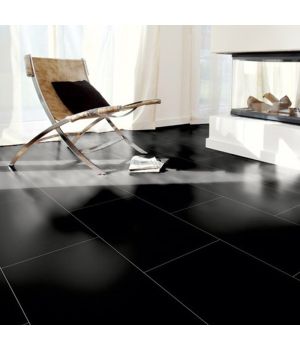
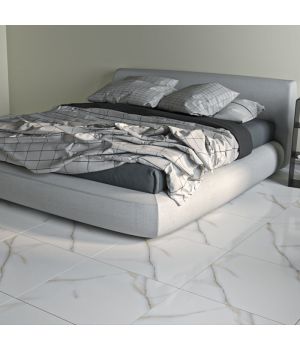
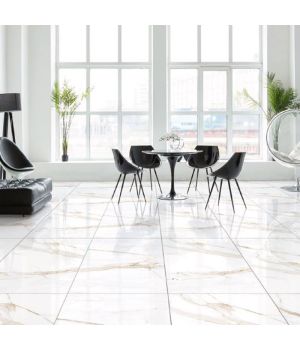
Plain polished and matt porcelain options include Super White Polished, Super Black Polished, Super Black Matt and Harmony Ice Cream — clean, minimal surfaces that suit modern kitchen schemes where the cabinetry and fittings do the visual work.

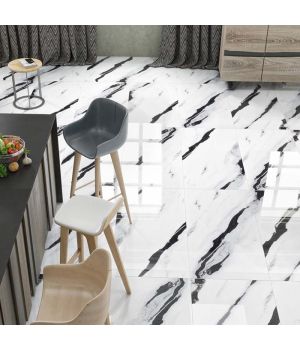
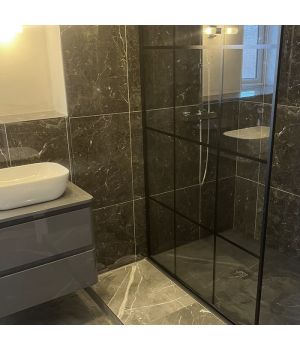
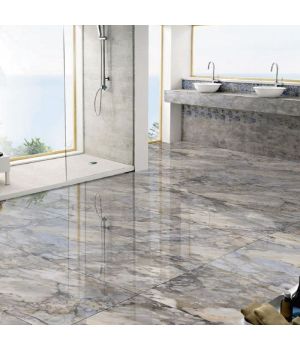
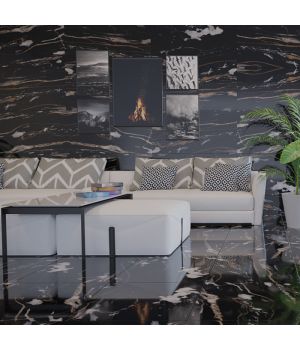
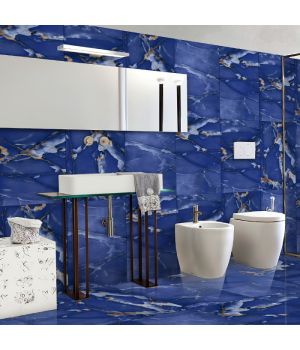
Marble-effect porcelains include Volga White, Frappuchino Brown, Dyna Natural Cream, Coyate Nero Grey, Lexa Black, Marquina Bronze, Imperial Onyx White, Ashphar Blue, Mercury White and the Oreal Crema and Oreal Pearl ranges. These deliver stone-inspired pattern and veining at a fraction of the maintenance cost of natural marble. For the full marble-effect collection across all settings, see the marble effect tiles page.

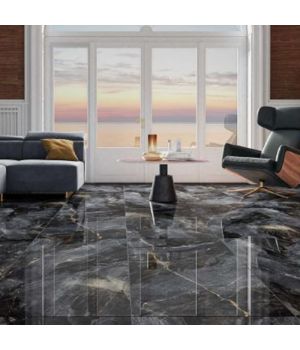
Wood-effect porcelain tiles are available elsewhere in the wider porcelain collection — a warm, plank-style floor finish with all the durability benefits of porcelain.

  • Polished white porcelain floor with dark handleless units for a sharp monochrome kitchen
  • Marble-effect porcelain as a full-height island backdrop or feature wall behind the hob
  • Super Black matt floor with pale walls for a dramatic, contemporary open-plan space

Format, Finish, Slip Resistance and Maintenance

Tile size shapes both the look and the upkeep of a kitchen floor. Larger slabs like Super White and Super Black in 600x600 or above give fewer grout lines to clean, while smaller formats allow more pattern play on walls and feature zones. In compact kitchens, very large tiles can feel mismatched to the room — a 600x600 is a practical middle ground for most kitchen footprints.

Polished porcelain gives a light-lifting, high-end reflective finish that works well on walls and in larger, well-lit floors. Matt finishes offer better day-to-day grip and hide marks more readily — the more practical choice for kitchen floors near sinks and cooking appliances. For a broader view of why tiling outperforms other kitchen surface finishes over time, reasons to get tiles covers the durability and cleaning arguments in detail.

  • Check R-ratings for floor tiles — R10 or above is recommended for kitchen floors near wet areas
  • Polished finishes on floors need more careful slip assessment in high-traffic or wet zones
  • Porcelain does not require sealing — sweep and mop with a mild, pH-neutral cleaner
  • Order samples before committing — polished and matt finishes read very differently in situ

Porcelain Kitchen Tile Comparison

Three tiles from this range, covering plain polished, cream polished and marble-effect black options for different kitchen applications.

Tile Look & Finish Best Kitchen Use
Super White Polished Porcelain Tiles Bright white, high-gloss reflective surface Full floor for bright, modern open-plan kitchens
Harmony Ice Cream Polished Porcelain Tiles Warm cream, soft polished finish Walls and floors in classic or country kitchens
Lexa Black Marble Effect Porcelain Tiles Deep black with white veining, matt Feature wall or floor for dramatic kitchen schemes

Porcelain Kitchen Tile Prices

Porcelain kitchen tiles on this page range from budget-friendly entry-level options to premium large-format designs, with many lines regularly on sale.

Prices vary by format and finish — check individual product pages for the most current figures as promotions change frequently.

Price Band Approx. £/m² Typical Project
Value Porcelain £12.97–£18.00/m² Compact splashback or small kitchen wall
Mid-Range Porcelain £18.00–£30.00/m² Full kitchen floor or coordinated walls and floor
Premium Porcelain £30.00–£45.00+/m² Large open-plan space or specialist polished finish

Porcelain Kitchen Tiles FAQs

Q: Are porcelain tiles suitable for both kitchen floors and walls?

Yes — porcelain works on floors, walls, splashbacks and open-plan kitchen-diners. Check that floor-rated tiles carry an appropriate slip-resistance rating for your specific kitchen zone.

Q: How easy are porcelain kitchen tiles to clean and do they stain?

Porcelain is very low-maintenance — sweep and mop with a mild cleaner. It does not stain easily and requires no sealing, unlike natural stone alternatives.

Q: What is the difference between polished and matt porcelain in a kitchen?

Polished gives a reflective, high-end finish but can be slippery when wet. Matt offers better grip and hides everyday marks more easily — the practical choice for kitchen floors.

Q: Do porcelain kitchen tiles work with underfloor heating?

Most porcelain tiles are compatible with underfloor heating. Always confirm compatibility on the individual product page and use an adhesive rated for thermal movement.

Q: How does porcelain compare with ceramic for kitchen use?

Porcelain is denser, harder and more water-resistant than ceramic. It costs slightly more but is the better choice for kitchen floors. Ceramic remains popular for kitchen walls and splashbacks.

Spread The Cost With 0% Finance Easily With Klarna & ClearPay