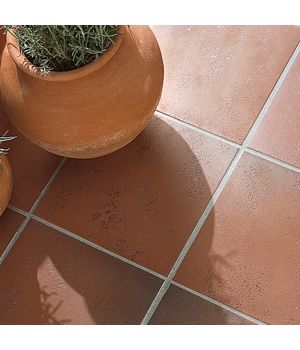
Terracotta Wall Tiles
-
Aragon Red Terracotta Quarry Tiles£ 39.97 /m2 Regular Price £69.00 /m2
Using Terracotta Tiles
This page currently showcases Aragon-style red terracotta quarry tiles as a wall tile option — a fired clay tile with earthy warmth and a naturally rustic surface.
Terracotta wall tiles are made from fired clay, giving them the warm red tones, slight texture and colour variation that work particularly well in farmhouse-style kitchens and traditional interiors.
That natural variation and tactile surface add depth and character to walls that plain ceramic simply can't replicate. For rustic bathroom schemes using terracotta accents, see more bathroom wall tile ideas to pair with terracotta.


Terracotta wall tiles in farmhouse kitchens
Behind a range cooker or stove, terracotta wall tiles bring an instant warmth that no printed porcelain quite manages. Their rich red tones deepen under warm kitchen lighting.
Used as a sink splashback or partial-height wall, the slightly rough surface and colour variation give the impression the kitchen has been there for decades — in the best possible way.
Run terracotta across a full feature wall around open shelving or a chimney breast and the result is closer to a French farmhouse than a fitted kitchen showroom.
The key pairings are simple: wooden beams, butcher-block worktops, unlacquered brass or iron fixtures, and cabinet colours that sit comfortably with clay — cream, sage and navy all work.
- Adds immediate warmth and rustic charm to a kitchen scheme without any further decoration needed.
- The slightly textured surface is forgiving with light splashes and everyday kitchen marks.
- Works beautifully with cream, sage, navy and dark green cabinetry in country and farmhouse kitchens.
- Colour variation between tiles means the finished wall looks considered rather than mass-produced.
- Ideal for open-plan kitchens where one tiled wall helps define the cooking zone from the living area.
- Pairs well with terracotta floor tiles for a fully cohesive rustic look throughout the kitchen.
Terracotta wall tiles beyond the kitchen
In a bathroom or cloakroom, terracotta works best as a feature wall, a low-level splashback or a skirting band — introducing warmth into a room that can easily feel cold or clinical.
Boot rooms and utility spaces benefit from the practical, mud-hiding quality of darker terracotta tones. A tiled wall behind hooks and storage is both useful and far easier to wipe than painted plaster.
In living rooms, a terracotta-tiled chimney breast or alcove introduces the kind of Mediterranean or English cottage warmth that's hard to achieve with any other material at a similar price point.
The earthy red tones sit naturally alongside neutral paints — warm whites, taupes and soft greens — as well as linen, cotton and natural-fibre furnishings that complement rather than compete.
- Use terracotta as an accent on one wall only, keeping surrounding walls in a warm plain paint.
- Off-white or warm beige grout softens the look; bright white grout sharpens the contrast for a bolder finish.
- Combine terracotta walls with stone flags, wooden boards or encaustic-effect floors for a layered, natural scheme.
- Keep fixtures and fittings simple — plain handles, unfussy taps — so the tiles do the talking.
- A terracotta-tiled alcove in a living room works well with soft lighting and simple wooden shelving.
For inspiration on weaving terracotta into bathroom and living space schemes, get more ideas for using terracotta in bathrooms and beyond.
What to know about terracotta wall tiles
The terracotta tiles on this page are quarry-style fired clay tiles — red, earthy and naturally varied in tone from tile to tile. That variation isn't a flaw; it's what gives finished walls their handcrafted quality.
Their surfaces are non-glossy and slightly rough under the hand. They don't have the hard, reflective finish of porcelain, and that tactile difference is exactly why people choose them over smoother alternatives.
Compared with porcelain and ceramic wall tiles, terracotta is more porous and typically requires sealing — particularly in kitchens or bathrooms where moisture and grease are part of daily life. The trade-off is a material that mellows and deepens with age rather than always looking exactly as it did on day one.
- Handmade or rustic appearance with natural variation — no two finished walls look identical.
- Thicker and heavier than standard ceramic wall tiles; wall preparation and adhesive choice matter more here.
- Chalkier, more tactile surface — noticeably different underhand from polished or glazed tiles.
- Colour naturally mellows and deepens over time, particularly after sealing.
- More porous than porcelain — sealing is usually essential before use in wet or greasy areas.
To understand how terracotta's natural surface compares with porcelain finishes used elsewhere in your home, learn more about different tile finishes and surfaces.
Terracotta wall tiles versus porcelain and ceramic
| Wall tile type | Best for | Key benefits |
|---|---|---|
| Terracotta / quarry wall tiles | Farmhouse kitchens, rustic feature walls, character rooms | Natural variation; warm earthy tones; ages with character |
| Porcelain wall tiles | Bathrooms, modern kitchens, high-moisture areas | Low maintenance; no sealing needed; consistent sizing |
| Standard ceramic wall tiles | Splashbacks, general wall tiling, budget schemes | Affordable; wide colour range; easy to clean |
For buyers after maximum warmth and handcrafted character on a feature wall, the terracotta tiles on this page are a genuinely different choice from standard ceramic or porcelain. Browse more bathroom wall tiles to pair with terracotta if you're planning a mixed-material scheme.
Prices for terracotta wall tiles
Terracotta and quarry wall tiles like the Aragon Red option on this page sit in the mid-to-premium bracket compared with standard ceramic wall tiles — reflecting the natural clay material, greater thickness and handcrafted character that comes with them.
| Range | Typical wall use | Indicative price band |
|---|---|---|
| Entry-level terracotta | Small splashbacks and accent bands | From around £30 per m² |
| Mid-range quarry tiles | Full kitchen feature walls and bathroom accents | From around £40–£55 per m² |
| Premium handmade or thick quarry tiles | Statement schemes, heritage and high-end interiors | From around £60+ per m² |
TilesPorcelain regularly offers competitive online pricing with visible sale reductions shown in the product grid, along with free samples and 0% finance or flexible payment options on many ranges. Check the current product listing for the latest price and any promotions running at time of purchase.


Terracotta wall tiles FAQs
Are terracotta quarry tiles suitable for kitchen walls and splashbacks?
Yes, with the right preparation. Seal the tiles and grout before use and wipe splashes promptly — terracotta's porous surface is manageable in kitchens when properly protected.
Can terracotta wall tiles be used in bathrooms or showers?
They work well as bathroom feature walls and low-level accents. For shower enclosures, check the product suitability rating and ensure tiles are thoroughly sealed before installation.
Do terracotta wall tiles need sealing, and how often?
Yes — sealing is usually essential before use. Reapply as directed by the sealer manufacturer, typically every one to two years depending on the area and usage level.
Are terracotta wall tiles heavy, and what substrates are suitable?
Quarry tiles are thicker and heavier than standard wall tiles. Make sure the wall substrate is solid and use an adhesive rated for heavier wall tiles — take advice from an installer if unsure.
How easy is it to keep terracotta wall tiles clean and looking good over time?
Straightforward, provided they're sealed. Use a pH-neutral cleaner and a soft cloth; avoid acids or bleach. Expect the tiles to develop a natural patina with age — that's part of the appeal.