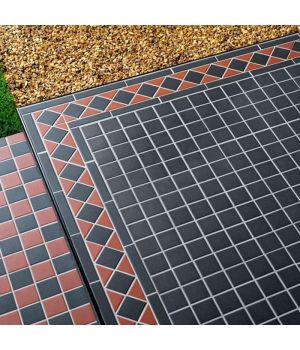
Victorian Wall
-
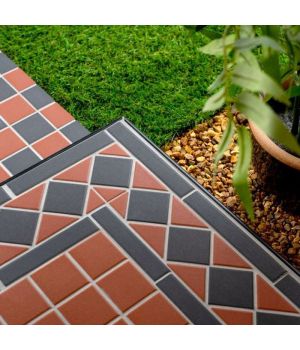
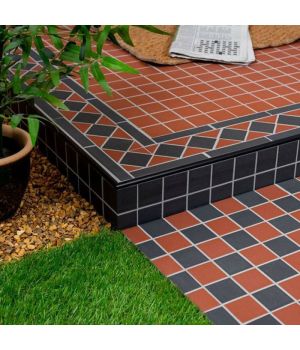
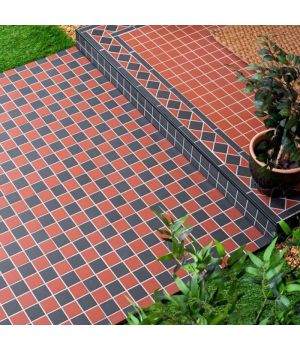
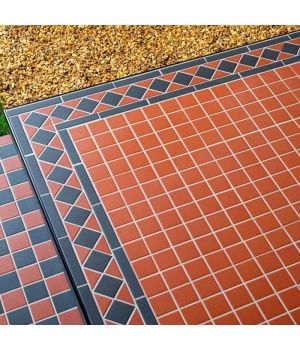
Victorian Red & Black Chequer Mosaics Border£ 499 /m2 Regular Price £600.00 /m2 -
Victorian Black & White Chequer Mosaics Corner£ 384 /m2 Regular Price £560.00 /m2 -
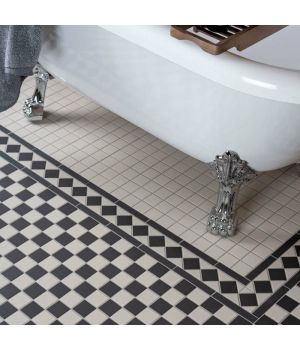
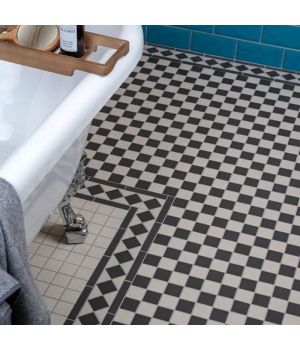
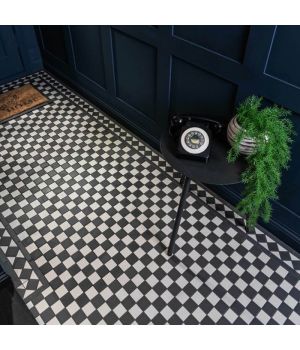
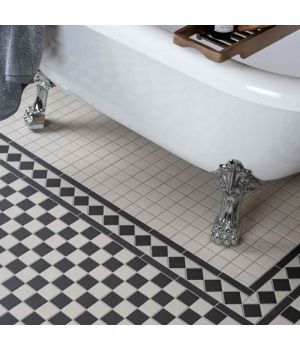
Victorian Black & White Chequer Mosaics Border£ 499 /m2 Regular Price £600.00 /m2 -
Victorian Red & White Chequer Mosaics Corner£ 384 /m2 Regular Price £440.00 /m2 -
Victorian Black & White Chequer Mosaics£ 91 /m2 Regular Price £132.00 /m2 -
Victorian Red & Black Chequer Mosaics£ 91.00 /m2 Regular Price £99.00 /m2 -
Victorian White Mosaics£ 85.99 /m2 Regular Price £121.00 /m2 -
Victorian Black Mosaics£ 85.99 /m2 Regular Price £154.00 /m2
Victorian Tiling Ideas For Interior Design
This page gathers our full selection of Victorian wall tiles, chosen for hallways, bathrooms, kitchens and feature walls in period and vintage‑inspired homes across the UK.
Browse the product grid and use the filters to narrow down by colour, size, finish or pattern. To compare Victorian against other decorative looks, visit our wall tiles by style overview, or go straight to our popular black & white Victorian tiles if that is the look you have in mind.
What are Victorian wall tiles?
Victorian wall tiles take their name and their design cues from the Victorian era — a period when decorative tilework was a mark of craftsmanship in homes, public buildings and commercial spaces across Britain. The defining features are pattern, colour and a certain deliberate formality.


Choosing Victorian wall tiles for each room
Victorian wall tiles are one of the few styles that genuinely belong in almost every room of a period home. The key is understanding how the scale and pattern of the tile translates to each space.
In a hallway or entrance, Victorian wall tiles can set the tone for the entire property. A patterned dado running along the lower half of the wall — finished with a border tile and plain tiles above — creates an authentic period entrance without tiling the full height. The hallway is also the one space where a bolder colour palette tends to work particularly well, since it is a through‑route rather than a room people sit in for extended periods.
Tips for hallways and entrances:
- Use a dado arrangement: patterned or heritage‑coloured tiles on the lower two thirds, with a border tile at the dividing line.
- Choose narrower rectangular tiles or smaller geometric patterns — they scale better to corridor‑width walls than large format tiles.
- Rich heritage tones like deep green or navy read well in hallways, where natural light is often limited.
- Carry the same tile from the hallway into a downstairs cloakroom for a cohesive period feel throughout the ground floor.
For bathroom tiles and kitchen tiles, Victorian patterns add character to areas that can otherwise feel generic.
Tips for bathrooms and kitchens:
- In a bathroom, half‑height tiling with a border tile and contrasting paint above is a practical and period‑appropriate approach that avoids the cost of full‑height tiling.
- For a shower enclosure, choose a simple geometric pattern rather than a complex floral — it holds its visual logic better in a tighter space.
- Victorian‑style tiles behind a kitchen range or Aga make a natural splashback — a glossy finish makes cleaning straightforward.
- Pair a patterned Victorian splashback with plain, cream or off‑white tiles on the remaining kitchen walls to prevent the pattern from overwhelming the room.
For broader room‑by‑room style guidance, see our room styling guides.
Compare Victorian wall tile looks
Not sure which Victorian style suits your room? This quick reference covers the three most common approaches.
| Victorian look | Key features | Best room uses |
|---|---|---|
| Classic patterned Victorian walls | Geometric or floral repeats, heritage colours, decorative border tiles for authenticity. | Period hallways, traditional bathrooms and kitchen splashbacks with character. |
| Black & white Victorian schemes | High-contrast monochrome patterns that read as bold and graphic on any wall. | Hallways, cloakrooms, kitchen splashbacks and contemporary bathroom feature walls. |
| Soft pastel Victorian walls | Muted heritage tones — sage, blush, pale blue — with subtle pattern or plain field tiles. | Bathrooms, powder rooms and kitchens where a lighter Victorian mood is preferred. |
Victorian wall tile prices
Victorian wall tiles at TilesPorcelain cover a wide price range depending on whether you are buying simple plain field tiles, decorative patterned tiles or specialist border pieces. Prices per m² vary by material, pattern complexity, tile size and any deals running at the time — the product grid always reflects current live pricing.
| Price band | Approx. price per m² | Typical products |
|---|---|---|
| Good-value | Around £20–£30 per m² | Plain Victorian field tiles, simple heritage colour options and gloss wall tiles in classic formats. |
| Mid-range | Around £30–£45 per m² | Patterned feature tiles, geometric repeats and coordinating border tile collections. |
| Premium | Around £45–£60+ per m² | Detailed decorative tiles, complex encaustic-style patterns and specialist Victorian border pieces. |


Victorian wall tiles FAQs
What makes a wall tile 'Victorian' in style?
Victorian tiles are defined by decorative patterns, heritage colours and traditional glazing. Common features include geometric repeats, floral detailing and period-accurate border tiles.
Are Victorian wall tiles only for period properties?
Not at all. Victorian tiles work in any home where vintage character is wanted. Many newer properties use them selectively for a single feature wall or splashback.
Can I use Victorian wall tiles in a modern bathroom or kitchen?
Yes. A patterned Victorian splashback or a black-and-white panel pairs well with contemporary fittings. The contrast often adds more visual interest than an all-modern scheme.
How do I clean and maintain Victorian wall tiles?
Regular wiping with a mild, non-abrasive cleaner is sufficient for most glazed Victorian wall tiles. Avoid harsh acids or scouring products, which can dull the glaze over time.
Can I mix plain and patterned Victorian wall tiles in one room?
Yes — this is how most authentic Victorian schemes were constructed. Use patterned tiles as features or borders and plain tiles to fill the majority of the wall area.