Grout for Kitchen Tiles
Grout Colours For Tiling
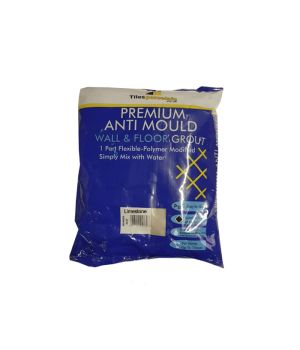
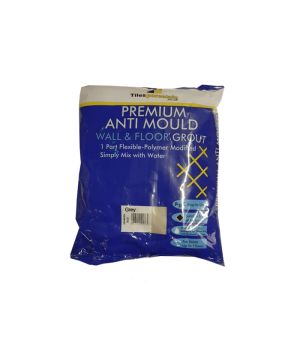
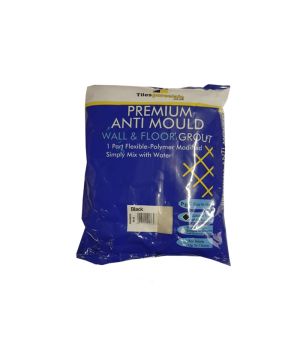
This page brings together kitchen-suitable grout in black, grey and white, plus specialist options like epoxy glitter grout and grout protector.
The right grout colour and type finishes the look, seals joints against moisture and dirt, and keeps walls and floors easier to clean.
These products work with porcelain, ceramic, quartz and natural stone kitchen tiles.
Choosing grout colour for your kitchen
For kitchen tiles, grout colour shapes the whole room. Black gives a sharper, contemporary edge, grey sits quietly in the background, and white keeps the finish bright.
Use contrast when you want each tile to stand out. Use a closer match when you want the wall or floor to feel calmer and more continuous. For a strong contrast idea, see Why does white grout with black tiles look amazing?.
- Black grout hides everyday marks well
- Grey grout gives subtle contrast
- White grout suits clean, classic schemes
- Match grout to tile tone for a softer finish
- Use contrast to make tile shape stand out
- Pick darker grout near sinks and hobs


Choosing between standard, wide joint and epoxy grout
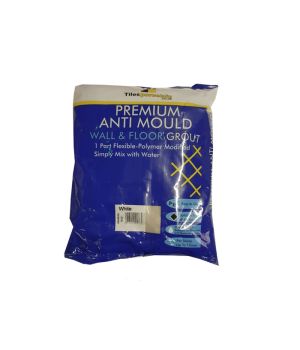
Standard flexible cement grout suits most everyday walls and floors. It is the usual choice for porcelain, ceramic and many quartz kitchen tiles.
For wider joints and natural stone, Wide Joint Floor Grout (White) handles larger gaps more comfortably, up to around 20mm.
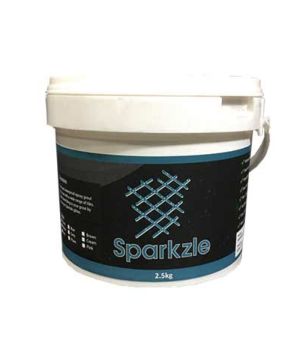
Epoxy grout gives a tougher, more stain-resistant finish and can add a decorative effect too. It suits splashbacks, feature walls and other high-stain areas. See Epoxy Grout and Glitter Brown as a representative option.
- Use standard grout for most porcelain tiles
- Choose wide joint grout for stone floors
- Pick epoxy for splashbacks and feature walls
- Match grout type to joint width first
- Use epoxy where stains are likely
- Choose a subtle finish for busy floors
Joint widths, how much grout and basic application
As a guide, around 3mm is common for wall tiles and around 5mm for floors. Some products here can cope with much wider joints.
Coverage depends on tile size, joint width and bed depth, so measure carefully before ordering. Our How Much Grout Do I Need? guide helps with planning.
When applying grout, work in small areas and clean residue before it hardens. See How To Tile A Kitchen for more practical steps.
- Check joint width before buying grout
- Mix small batches to avoid waste
- Wipe tiles before grout sets fully
- Measure walls and floors separately
- Keep joints even around edges and trims
Protecting grout in a busy kitchen
Grout sealing is a smart step around hobs, sinks and food prep areas. It helps reduce stains and keeps the surface easier to clean.
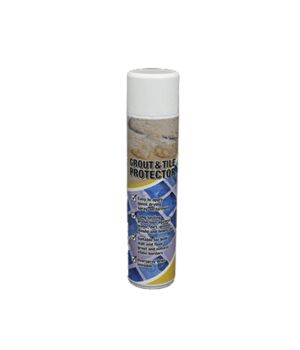
Grout Protector adds a barrier against moisture, grease, oil and limescale. It works on grout between natural stone and manmade tiles.
- Apply only to clean, dry grout
- Test a small area first
- Use near sinks and cooking zones
- Reapply when protection starts to fade
- Follow the product instructions closely
Pairing grout with your kitchen tiles
Dark grout with metro tiles gives a sharper edge and suits modern kitchen walls. Soft grey grout works well with marble-effect porcelain, where the aim is a quieter finish.
White grout can lift patterned floors and keep the layout looking crisp. For more styling ideas, browse 25 Floor Tile Ideas and 50 Kitchen Tile Ideas.
For a subtle marble look, see Panda White Marble Effect Porcelain Tiles and pair them with a grout colour that does not fight the pattern.
Kitchen grout options at a glance
Use this quick guide to compare the main grout choices. It helps match the grout to the tile type, joint width and kitchen setting.
| Grout type | Best for | Key benefits |
|---|---|---|
| Standard flexible cement grout | Walls, floors, splashbacks | Flexible, practical, easy to use |
| Wide joint floor grout | Stone floors, larger joints | Handles wider gaps, durable finish |
| Epoxy glitter grout | Feature walls, splashbacks | Stain-resistant, decorative, harder wearing |
| Grout protector | All grout lines | Helps repel stains and moisture |


Kitchen grout prices
UK guide prices often start around £10–£20 per bag or tub for standard flexible grout. Speciality wide-joint or coloured options usually sit around £20–£35.
Epoxy glitter grout and grout protector kits often run from about £25–£40. Final cost depends on pack size, type and any promotion.
| Band | What you get | Typical kitchen use |
|---|---|---|
| £10–£20 | Standard grout for walls and small floors | Everyday kitchens |
| £20–£35 | Wide-joint grout for stone floors | Natural stone and larger gaps |
| £25–£40 | Epoxy or protector for feature areas | Splashbacks and busy zones |
Add grout and protector to your basket with your tiles, then check each product page for current pricing and coverage.
Grout for kitchen tiles FAQs
Which grout is best for porcelain and quartz tiles?
Use a flexible grout for most porcelain and quartz kitchens. Epoxy is better where stains are more likely.
What joint width should I use?
Around 3mm is common for walls and around 5mm for floors. Some wide-joint products suit stone and larger gaps.
How long before I can walk on or use newly grouted tiles?
Wait for the grout to cure properly before heavy use. Check the product instructions for the exact setting time.
Does grout need sealing or protector?
Many grout lines benefit from protection in kitchens. Reapply when cleaning becomes harder or stains start to settle.
How do I clean grout lines without damaging tiles?
Use a soft brush and a mild cleaner. Avoid harsh acids and abrasive pads on finished tile surfaces.