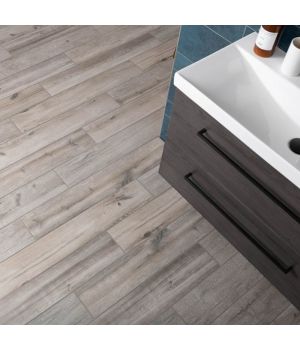
Wood Effect Tiles
-
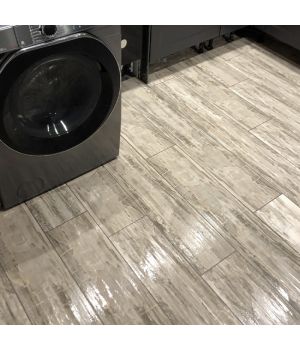
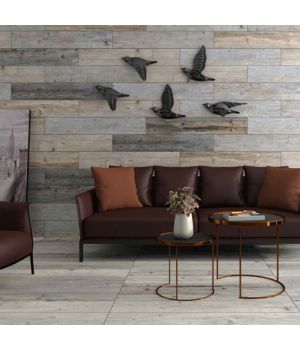
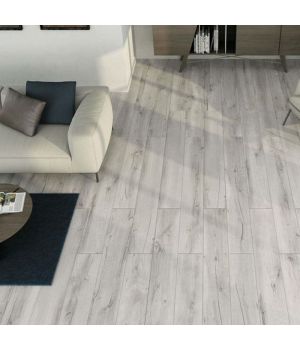
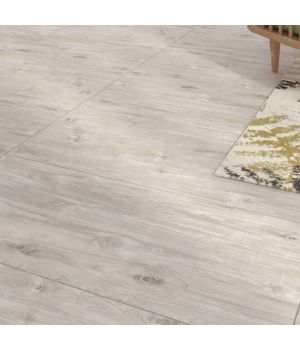
Noicy Grey Wood Effect Porcelain Tiles£ 17.97 /m2 Regular Price £25.00 /m2 -
Hickory Gris Grey Wood Effect Porcelain Tiles£ 17.97 /m2 Regular Price £25.00 /m2 -
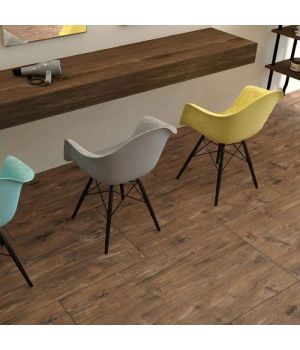
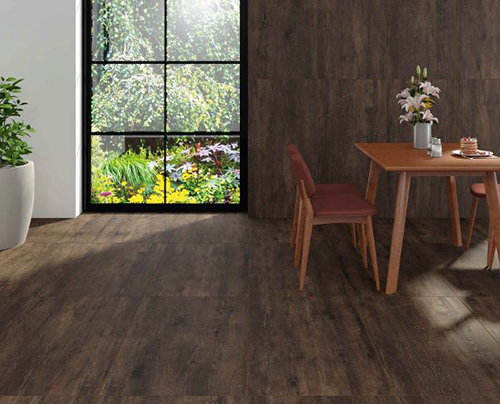
Curly Oak Dark Wood Effect Porcelain Tiles£ 17.97 /m2 Regular Price £26.50 /m2 -
Cedar Brown Wood Effect Porcelain Tiles£ 17.97 /m2 Regular Price £30.00 /m2 -
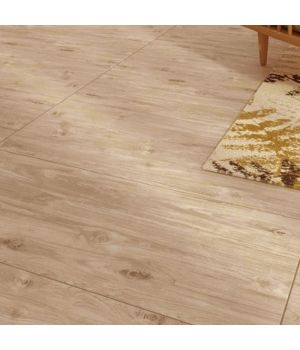
Alder Natural Wood Effect Porcelain Tiles£ 17.97 /m2 Regular Price £29.50 /m2 -
Impact Brown Wood Effect Porcelain Tiles£ 17.97 /m2 Regular Price £25.00 /m2 -
Tarima Roble Wood Effect Porcelain Tiles£ 31.95 /m2 Regular Price £36.00 /m2 -
Mumble Wenge Wood Effect Porcelain Tiles£ 39.97 /m2 Regular Price £42.00 /m2 -
Mumble Natural Oak Wood Effect Porcelain Tiles£ 39.97 /m2 Regular Price £45.50 /m2 -
Mumble Grey Wood Effect Porcelain Tiles£ 39.97 /m2 Regular Price £56.00 /m2 -
Mumble Honey Wood Effect Anti Slip Porcelain Tiles£ 39.97 /m2 Regular Price £56.00 /m2 -
Mumble Beige Light Oak Wood Effect Porcelain Tiles£ 39.97 /m2 Regular Price £56.00 /m2

Wood Effect Tiles With the Warmth of Timber and the Strength of Porcelain
Real wood floors are beautiful. They're also prone to scratching, they swell in humid rooms, they need sanding back every few years and they dislike the moisture that kitchens and bathrooms produce daily. Wood-effect porcelain and ceramic tiles give you the grain, the warmth and the plank format — without any of those compromises. The surface is harder, the upkeep is minimal and the finish holds its look year after year without intervention.
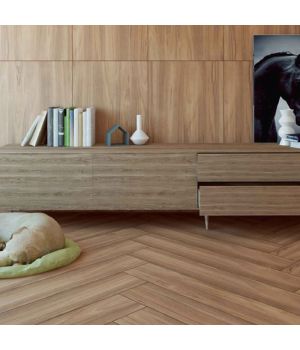
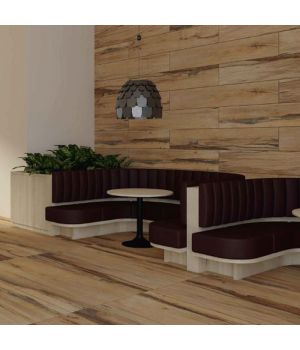
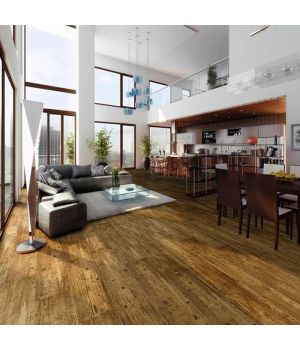
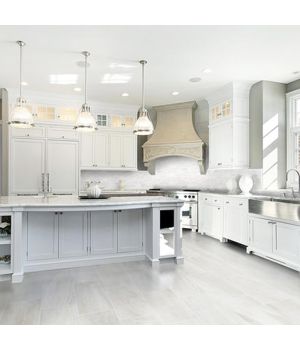
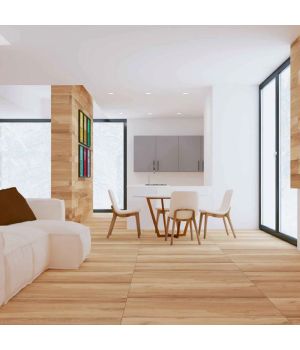
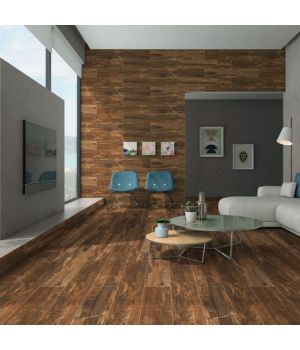
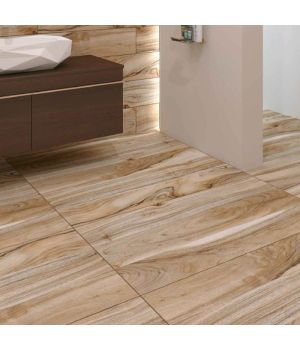
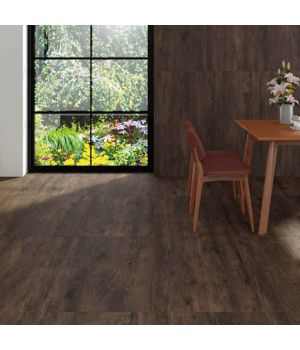
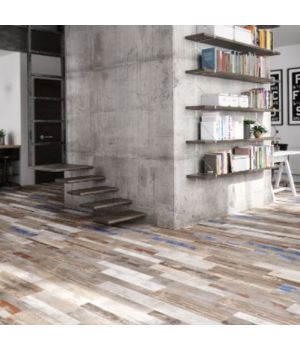
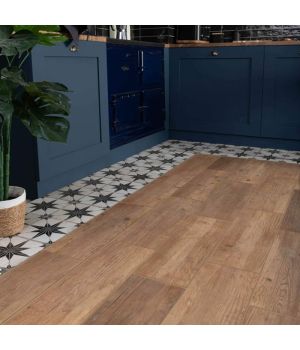
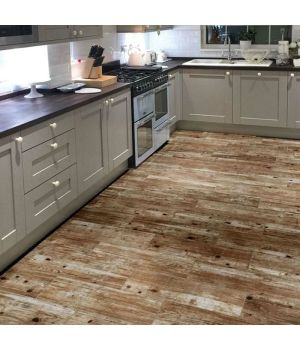
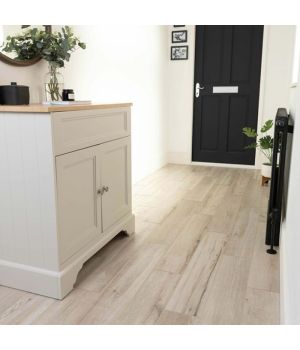
This collection spans the full tonal range: light beige and white-washed oaks for airy kitchens and bedrooms, classic mid-browns like Alder Brown and Cherry Honey for traditional spaces, darker tones such as Wenge and Curly Oak Dark for more dramatic schemes, and grey woods including Noicy Grey and Hickory Gris for contemporary open-plan rooms. Plank formats across both porcelain and ceramic suit most laying patterns — straight run, staggered, herringbone — and the range covers kitchens, bathrooms, hallways, living rooms and selected outdoor areas.
Scratch and stain resistance, compatibility with underfloor heating, suitability for wet and high-traffic rooms, and no sanding or refinishing ever — these are the practical reasons wood-effect tiles have become a consistent first choice in UK homes. For a direct comparison with genuine timber across cost, longevity and care requirements, our guide to wood effect tiles vs natural wood floors covers the key differences clearly.


How to choose the right wood effect tiles
The wood-effect range here covers both porcelain and ceramic, a wide colour spectrum and several formats — so narrowing by room and intended use first saves considerable browsing time.
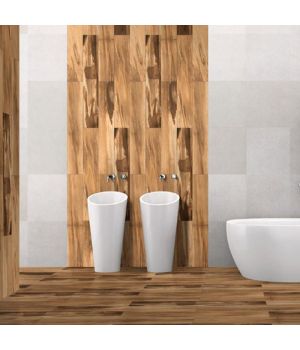
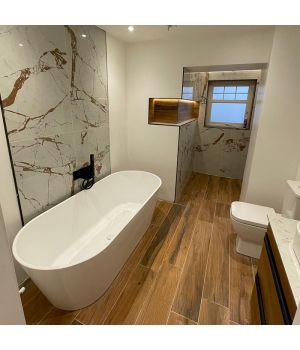
For kitchens, bathrooms and hallway floor tiles, porcelain is the right material choice — its low moisture absorption and hardwearing surface suit heavy foot traffic and wet conditions. Wood effect porcelain tiles within this range include core plank options at accessible price points as well as more premium ranges like Mumble and Lenk for design-led interiors. Ceramic wood-effect tiles such as Shabi and Tarima Natural are better suited to bathroom and kitchen walls, bedroom floors and feature wall panels where the conditions are less demanding. For bathroom inspiration, the gallery of stylish bathrooms with wood effect tiles shows how both light and dark wood tones work in finished schemes.
- Kitchen and open-plan floors: Mid-brown or grey porcelain planks with a strong wear surface; resistant to daily cooking spills, chair scuffs and heavy foot traffic.
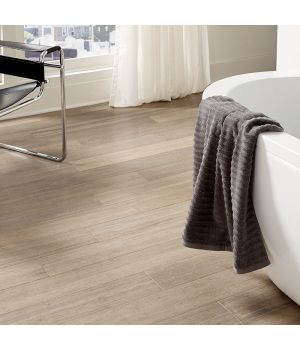
- Bathroom floors and walls: Light oak or white-washed tones for floors; ceramic wood-effect tiles on walls for a warm, coordinated finish without the moisture concerns of real timber.
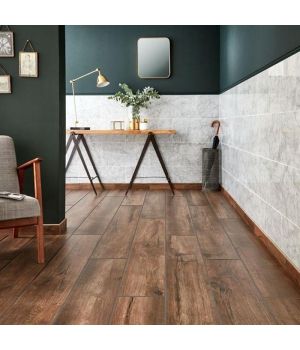
- Hallways and entrances: Darker wood tones in a plank format — herringbone adds visual interest and helps disguise the everyday dirt that light-coloured floors show up quickly.
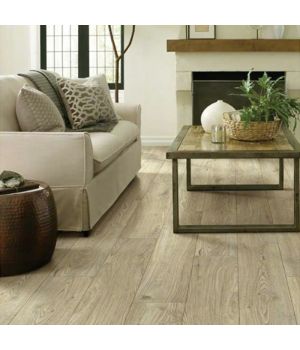
- Living rooms and bedrooms: Wider plank formats in warm mid-brown or beige for a relaxed, residential feel underfoot; ceramic options suit lighter-use bedroom floors well.
- Outdoor areas: Outdoor-rated, anti-slip porcelain planks only — always confirm frost-resistance and slip rating before ordering for external use.
Wood effect porcelain, ceramic or real wood?
Wood-effect porcelain is the most hardwearing of the three options. Fired at high temperatures from a dense clay body, it resists scratching, handles moisture without swelling and suits kitchens, bathrooms, hallways and commercial floors equally well. Wood-effect ceramic tiles share the same printed timber aesthetic but have a less dense body — they're a practical and budget-friendly choice for walls and lighter-use floors where the conditions are less demanding than a family kitchen or busy hallway.
Real wood flooring brings something neither tile material fully matches: the tactile quality of genuine timber, the natural variation from plank to plank and the ability to be sanded and refinished when the surface has seen years of use. The trade-offs are significant — real wood costs more upfront, needs regular care, dislikes humidity and isn't suited to bathrooms or kitchens without careful specification. Over a floor's lifetime, wood-effect porcelain typically works out less expensive once maintenance costs are accounted for.
| Option | Best for | Main benefit |
|---|---|---|
| Wood effect porcelain tiles | Kitchens, bathrooms, hallways and heavy-traffic floors | Very hard-wearing and moisture-resistant; no ongoing maintenance needed |
| Wood effect ceramic tiles | Bathroom and kitchen walls, bedroom floors and feature panels | Timber look at a lower price point; lighter and easier to cut for DIY walls |
| Real wood flooring | Living rooms and bedrooms where authentic material character matters | Genuine timber warmth and grain; can be sanded and refinished over time |


Wood effect tiles price guide
The majority of porcelain planks in this range — including Alder Brown, Noicy Brown and Grey, Hickory Gris, Curly Oak, Cherry Honey, Cedar Brown, Pearl Honey and African Choco — sit at around £17.97/m², making them strong value for large kitchen and hallway projects. Ceramic options like Shabi Multi and Tarima Natural run from around £19.97–£21.97/m². Mid-tier porcelain such as Selva Gris steps up to approximately £23.97/m², Tarima Roble Porcelain to around £31.95/m², and the premium Mumble and Lenk Smoke Grey ranges reach approximately £39.97–£39.99/m². Factor in zero maintenance spend over the floor's life and porcelain compares well with real wood on total cost.
| Price band | Typical price per m² | What you get |
|---|---|---|
| Value wood effect tiles | £17–£22/m² | Core porcelain planks and ceramic options across a wide colour range for most rooms |
| Mid-range wood effect tiles | £23–£32/m² | Selva Gris, Tarima Roble Porcelain and similar for feature floors and more detailed finishes |
| Premium wood effect tiles | £38–£40+/m² | Mumble series and Lenk Smoke Grey for design-led, high-specification interiors |
Wood effect tiles FAQs
Q: Are wood effect tiles suitable for both floors and walls?
A: Yes. Porcelain wood-effect tiles are primarily designed for floors; ceramic options suit walls and lighter-use floors. Always check each product's floor or wall rating before ordering.
Q: Can I use wood effect tiles in bathrooms and wet rooms?
A: Yes. Porcelain's very low moisture absorption makes it ideal for bathroom floors and walls. It won't swell, warp or stain the way real timber does in humid or wet conditions.
Q: Do wood effect tiles work with underfloor heating?
A: Yes. Porcelain conducts and holds heat efficiently, making it well-suited to both electric mat and water-fed underfloor heating. Follow the installer's guidance on adhesive type and expansion gaps.
Q: How do wood effect porcelain tiles compare to real wood for maintenance?
A: Wood-effect porcelain needs only sweeping and mopping. Real wood requires periodic oiling, lacquering or sanding — a meaningful commitment of time and cost over the years.
Q: Are wood effect tiles suitable for hallways and high-traffic areas?
A: Yes — porcelain wood-effect tiles are among the best choices for high-traffic floors. The dense, scratch-resistant surface handles heavy daily use far better than real wood or laminate.