Cladding For The Kitchen
-
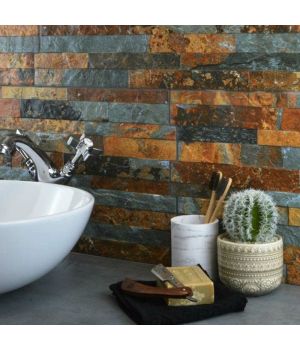
Pompeya Oxido Multi Porcelain Wall Tiles£ 34.97 /m2 Regular Price £42.00 /m2
Cladding Ideas For Property Developments
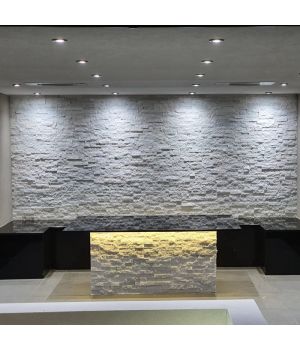
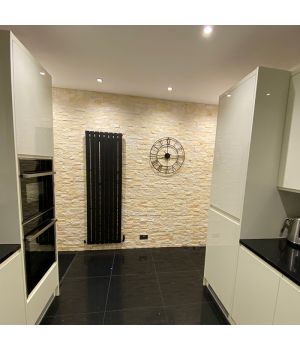
Kitchen cladding tiles create statement walls and hard-working splashbacks using porcelain and stone-effect surfaces that look far more complex to install than they are. This page brings together rock-panel stone cladding, multi-tone ledgestone and tactile designs including Rock Panel Ivory Cream Stone Cladding and Pompeya Oxido Multi Porcelain Wall Tiles.
Cladding adds instant texture and depth to kitchen feature walls without the commitment or cost of natural stone. Free samples and 0% finance are available across the range to help you test patterns and finishes before committing.
Where to Use Cladding in Your Kitchen
Kitchen cladding works best on decorative vertical surfaces — it is designed to work alongside standard kitchen wall tiles rather than replace them across the whole room. Use it to add texture in specific zones while keeping the broader kitchen practical and easy to clean.
- Behind the hob as a splashback — a cladding feature wall between the worktop and extractor adds depth and character to the kitchen's focal point
- Around breakfast bars and island returns — cladding on the kitchen-facing side of an island creates a visual break from flat cabinetry
- On chimney breasts and alcoves — natural recesses suit the layered texture of ledgestone and rock-panel designs
- As a dining-area accent — a single cladded wall behind a dining table anchors an open-plan kitchen-diner without additional decoration
- Above worktops on a single wall — used on one run of wall rather than all four, cladding keeps the kitchen from feeling enclosed


Porcelain, Stone and Wood-Effect Cladding
Porcelain stone-effect cladding — the rock-panel and ledgestone designs in black, grey, ivory and rust tones — delivers the look of stacked natural stone with the practical benefits of porcelain. Dense, stain-resistant and easy to wipe, it handles the steamy, greasy environment of a working kitchen better than real stone in most cases.
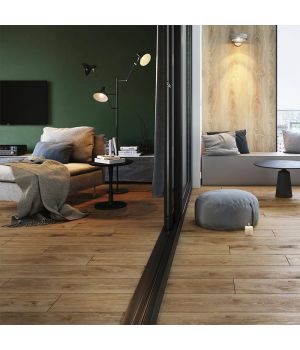
Natural stone-style cladding carries more surface variation and organic character at the cost of slightly more careful maintenance, while wood-effect cladding strips give kitchens a warm, timber-inspired quality that porcelain alone can't replicate. For the complete cladding range across all rooms and applications, the wall cladding collection covers additional formats and finishes beyond the kitchen page.
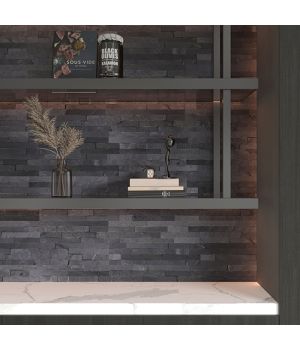
- Modern kitchen: charcoal or grey ledgestone on a feature wall behind dark handleless units
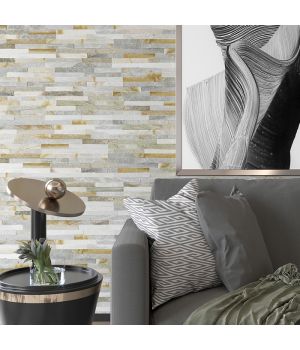
- Rustic or farmhouse kitchen: ivory cream or multi-tone ocra cladding alongside oak or painted cabinetry
- Industrial kitchen: black and rust cladding with exposed shelving and metal fixtures
Kitchen Style Ideas with Cladding
The products below each bring a distinct character to a kitchen wall — choosing the right one depends primarily on cabinet colour and how much contrast the scheme can absorb.
- Rock Panel Black Cladding Tile — a dramatic hob splashback or island wall in a modern kitchen with white or pale grey units, where the deep black ground makes the strongest visual statement
- Ledgerstone Black Porcelain Cladding — full-height feature wall in a contemporary charcoal kitchen scheme, pairing well with dark worktops and brushed metal hardware
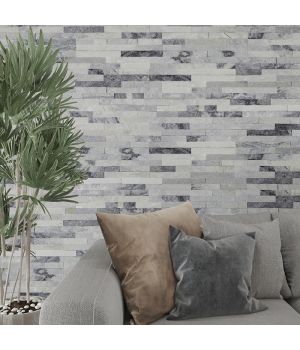
- Ledgerstone Grey Porcelain Cladding — a softer, more versatile option for grey or neutral kitchens where the cladding should complement rather than dominate
- Ledgestone Black & Rust Porcelain Cladding — warm, industrial character ideal for kitchens with terracotta, copper or warm-toned accessories
- Ledgestone Ocra Thin Lines Porcelain Cladding — fine layered texture in multi-tone ochre and cream, suited to rustic or Mediterranean-style kitchens with natural finishes
Pairing Cladding with Other Kitchen Tiles
Cladding works best when balanced against plainer surfaces. Using a textured rock-panel or ledgestone on one kitchen wall and smooth tiles on the rest keeps the scheme from feeling visually heavy — the cladding does the expressive work while the surrounding tiles stay practical.
For combining textures effectively, large kitchen wall tiles work well on the surrounding walls, and the broader kitchen wall tile range offers plain formats that complement cladding without competing with it. For layout inspiration before you finalise a scheme, 50 kitchen tile ideas covers cladding combinations alongside other kitchen tile approaches.
- Cladding on the island front, plain large-format tiles on surrounding walls and splashback zones
- Rock-panel feature wall behind the hob, smooth metro or satin tiles on the remaining kitchen walls
- Ledgestone on a chimney breast, plain painted walls elsewhere to keep a compact kitchen feeling open
Kitchen Cladding Options at a Glance
The table below compares the main cladding styles available for kitchen walls by look and best application area.
| Type | Look | Best Kitchen Use |
|---|---|---|
| Porcelain stone-effect cladding | Layered stone, natural texture, black/grey/ivory | Feature wall, island front, hob splashback |
| Wood-effect cladding tiles | Warm timber grain, horizontal or vertical strips | Breakfast bar return, chimney breast, niche accent |
| Natural stone cladding | Organic variation, rough or riven surface | Rustic feature wall or dining-area backdrop |
| Industrial / oxidised porcelain | Multi-tone rust, grey and ochre, textured surface | Industrial kitchen feature wall or island cladding |


Kitchen Cladding Tile Prices
Kitchen cladding tiles span a range of price points depending on material, format and finish. Entry-level porcelain cladding options typically start at around £25–£40 per m², making them accessible for smaller splashback projects or accent areas. Mid-range stone-effect and wood-effect cladding generally falls in the £40–£60 per m² bracket — well suited to full feature walls and breakfast bar returns where the texture earns its cost.
Premium, highly textured or multi-tone cladding with complex relief patterns starts at around £60 per m² and above, and is most effectively used on a single tall or wide statement wall rather than across multiple surfaces. Prices vary by product, size and any active promotion — check individual product pages for current figures.
| Band | What You Get | Typical Kitchen Use |
|---|---|---|
| Entry | Value porcelain cladding, standard texture | Small hob splashback or short accent run |
| Mid-range | Stone-effect and wood-effect, more detail | Full feature wall or island front cladding |
| Premium | High relief, multi-tone, complex patterns | Statement chimney wall or tall open-plan feature |
Order free samples before committing to a full order — cladding texture and colour variation can look quite different in situ compared with product photography.
Kitchen Cladding Tiles FAQs
Are cladding tiles suitable behind hobs and sinks?
Porcelain cladding is suitable behind sinks and as a hob splashback, provided it is correctly installed and sealed where specified. Use a glass panel directly in front of open burners as an additional precaution.
Does porcelain cladding need sealing in a kitchen?
Most porcelain cladding does not require sealing. Natural stone cladding options may need a penetrating sealer — always check the product specification before installation in a kitchen environment.
Can cladding tiles be used on kitchen floors?
No — kitchen cladding tiles are designed for vertical wall surfaces only. They are not rated for floor use and should not be laid underfoot in any kitchen area.
How do I clean textured cladding in a kitchen?
Wipe regularly with a soft brush or cloth and a mild household cleaner. The relief texture collects airborne grease over time, so consistent light cleaning is more effective than occasional deep cleaning.
Can cladding be used as a full-height splashback or behind a cooker hood?
Yes — cladding works well as a full-height splashback and around cooker hoods. Check heat clearance guidelines for your specific appliance and ensure the wall substrate is strong enough to support the tile weight.