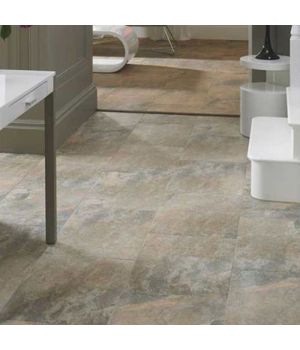
Floor Tiles For The Hallway
Hallway Tile Ideas
This page brings together durable hallway floor tiles in porcelain, quartz, mosaics, and quarry — each chosen to handle the demands of a busy entrance without looking tired within a year.
Free samples are available on most lines, and 0% finance options can help spread the cost of a larger hallway project. Before buying, the floor tile buying guide covers everything from measuring to grout selection.


What to Look for in Hallway Floor Tiles
Hallways take more punishment than almost any other floor in the house. Foot traffic in from outside brings grit, moisture, and dirt that abrades softer flooring materials and quickly makes light colours look dull.
Porcelain is the most practical choice for hallways because of its hardness and low porosity. It resists scratching from grit, does not stain easily, and handles the damp that comes in from the door with no lasting effect on the surface.
Near external doors, slip resistance matters more than it does further inside the house. Wet shoes and umbrellas dripping at the entrance mean a tile with some surface texture or a matt finish is a safer choice than a highly polished floor in this zone.
Darker tones and busier patterns are a practical advantage in hallways — they show less dirt between cleans, meaning the floor looks presentable even on the days you have not mopped it.
- Prioritise hard-wearing porcelain rated for heavy domestic foot traffic — hallways need a tile that lasts, not one that just looks good initially.
- Choose a matt or structured finish near the external door for better grip on wet days.
- Darker colours and multi-tone patterns conceal everyday dirt and footprints far more effectively than pale, plain tiles.
- Aim for a tile that is easy to sweep, vacuum, and mop — textured surfaces that trap grit require more maintenance than smooth-faced options.
- Consider how the hallway floor connects to adjacent rooms — continuity across the hall and into the kitchen or living space creates a more cohesive feel.
Hallway Styles Using Real Products
Victorian Black Mosaics and Victorian Red Mosaics are the natural choice for period properties — terraced houses, Victorian semis, and Edwardian halls where a traditional chequerboard or geometric pattern is architecturally appropriate and adds genuine character to the entrance.
Keystone Stone Effect Porcelain Tiles and Aragon Red Terracotta Quarry Tiles suit farmhouses, cottages, and traditional homes where natural materials set the tone. Both deliver a warm, grounded feel that works well with timber staircases and painted walls.
Oreal Pearl Marble Effect Porcelain Tiles and Black Rose Polished Porcelain Marble Effect Tiles bring a more formal, elegant quality to hallways — ideal for newer builds, larger detached homes, and any entrance where a polished, hotel-inspired statement is the aim.
Mumble Grey Wood Effect Porcelain Tiles and Curly Oak Honey Wood Effect Porcelain Tiles give hallways warmth without the maintenance concerns of real timber. Laid lengthways, they draw the eye from the front door deeper into the home, making even a narrow hallway feel more spacious. For homes where the hallway opens into the kitchen, laying the same or coordinating tile through both spaces creates a clean, continuous look — see the kitchen floor tiles range for options that work alongside these hallway designs.
How Hallway, Kitchen and Bathroom Tile Requirements Compare
Running the same tile across the hallway and into adjacent rooms creates a cohesive, open feel — this table shows how the requirements differ by area.
| Area | Key Requirement | Ideal Tile Features |
|---|---|---|
| Hallway | High traffic, dirt, grit, external moisture | Hard-wearing, dark tones, matt or structured finish |
| Kitchen | Spills, grease, heavy appliances, daily use | Non-porous, easy to mop, resistant to staining |
| Bathroom | Wet floors, steam, slip risk, regular moisture | Water resistant, slip-rated, easy to clean grout lines |
Hallway Floor Tile Prices and Budget Guide
Hallway floor tiles on this page range from accessible everyday porcelain through to premium sparkly quartz and hand-crafted mosaics. Setting a per-m² budget before browsing helps focus your search — and hallways are often smaller than other rooms, so it is worth considering a slightly higher per-m² spend to get the right look at the entrance to your home.
Measure the hallway carefully, including any awkward corners or recesses, and add 10–15% to your total area for cuts and wastage. Factor in adhesive, grout, and any thresholds or edge trims needed at doorways to adjoining rooms.
| Price Band | Approx. Price per m² | Best Suited To |
|---|---|---|
| Good value | From around £15–£25 | Everyday porcelain, marble and wood-effect options |
| Mid-range | Around £25–£40 | Stone-effect, quarry tiles, decorative designs |
| Premium | Around £40–£85+ | Sparkly quartz, Victorian mosaics, statement hallways |


Hallway Floor Tiles — Frequently Asked Questions
What tiles are best for a busy hallway?
Hard-wearing matt or structured porcelain tiles in darker tones are the strongest choice for busy hallways — they handle grit, moisture, and heavy use without showing wear quickly.
Are polished tiles too slippery for hallways?
Polished tiles can be slippery when wet near external doors. A matt or structured finish is safer in this zone, though polished tiles work well further inside the hallway where floors stay dry.
How do I keep hallway tiles clean with pets?
Regular sweeping or vacuuming removes pet hair and grit before it scratches the surface. A damp mop with a mild pH-neutral cleaner handles muddy paw prints without damaging the tile or grout.
Can hallway floor tiles continue into the kitchen?
Yes — running the same tile through both spaces is a popular way to create a cohesive, open-plan feel. Check the tile is rated for both areas before purchasing for a dual installation.
Do I need non-slip tiles for an entrance hall?
Near the front door where wet footwear is common, a matt or textured finish with a suitable slip rating is advisable. Check individual product ratings and consider anti-slip mats as additional protection.