Kitchen Floor Tiles
-
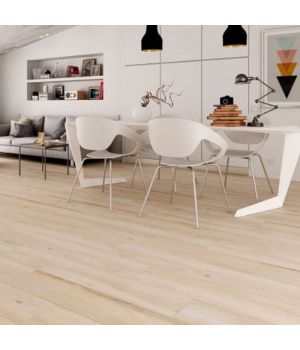
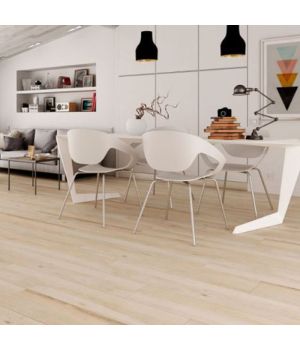
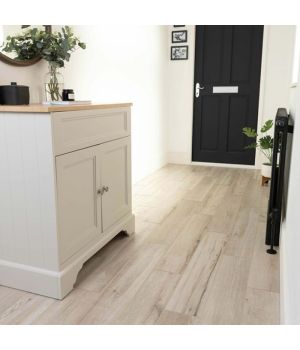
Mumble Beige Light Oak Wood Effect Porcelain Tiles£ 39.97 /m2 Regular Price £56.00 /m2 -
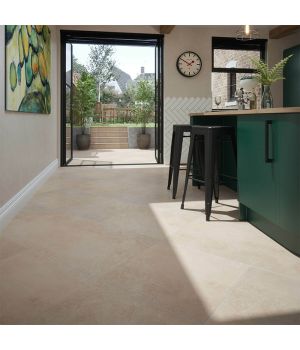
Tapa Beige Matt Concrete Effect Porcelain Tiles£ 22.97 /m2 Regular Price £36.00 /m2
Kitchen Floor Tiling Ideas
This page brings together durable, easy-to-clean kitchen floor tiles in porcelain, sparkly quartz, and stone-effect finishes — with styles ranging from classic marble effect to bold glitter designs.
Whether you are planning a full kitchen renovation or replacing a single floor area, the range covers budgets from entry-level value porcelain through to premium statement designs. For inspiration before you choose, take a look at our kitchen tile ideas to see how different styles work in real schemes.


Choosing Kitchen Floor Tiles by Material
Porcelain is the most widely used kitchen floor tile material on this page — hard-wearing, low-porosity, and available in marble, wood, and stone effects. Options such as Oreal Crema, Keystone Stone Effect, and Cherry Honey Wood Effect cover a broad range of interior styles.
Sparkly quartz kitchen floor tiles — including Diamond White, Midnight Black, and Amethyst Plum — are polished, non-porous, and add a glamorous, high-shine finish that suits kitchen-diners and open-plan spaces where the floor is a deliberate design feature. Browse the full sparkly quartz tiles selection for the complete colour range.
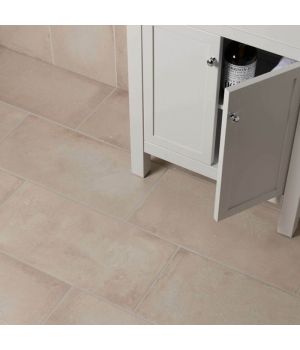
Stone-look and limestone-inspired options on this page bring a softer, more natural feel to kitchen floors. These work well in country kitchens and spaces that use timber, painted cabinetry, and warm-toned accessories. If limestone is a priority for your scheme, the dedicated limestone kitchen tiles section is worth exploring alongside this category.
- Choose porcelain for a busy family kitchen — scratch resistant, easy to mop, and available in practical matt finishes that hide everyday marks.
- Choose sparkly quartz for a glamorous kitchen-diner where the floor needs to make a visual statement alongside fitted furniture and statement lighting.
- Choose stone or limestone look for a softer, warmer aesthetic — particularly effective in country, Shaker, or natural-material kitchen schemes.
Finishes, Colours and Styles
Polished kitchen floor tiles reflect light and give rooms a bright, premium feel — particularly effective with marble-effect patterns. They show footprints and water marks more readily than matt, so regular wiping keeps them looking sharp. Always check slip ratings before fitting polished tiles in wet zones near sinks.
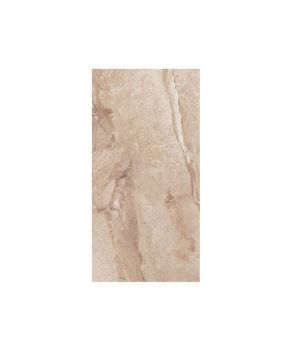
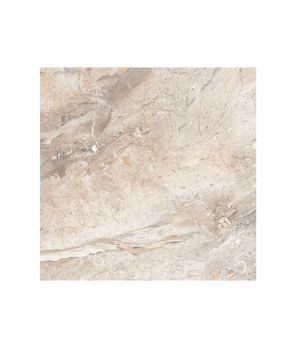
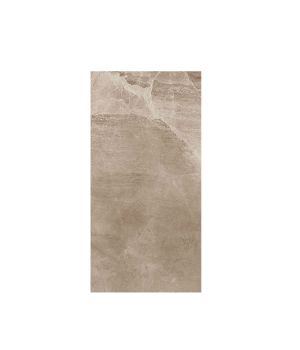
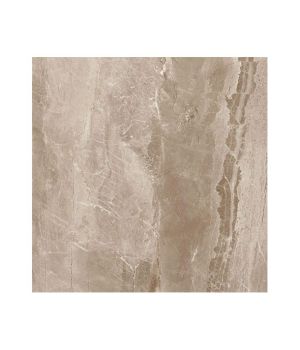
Marble-effect and stone-effect porcelain tiles on this page deliver a high-end look without the maintenance demands of real natural stone. These suit modern kitchens with handleless cabinetry, island units, and neutral colour schemes where the floor anchors the rest of the design.
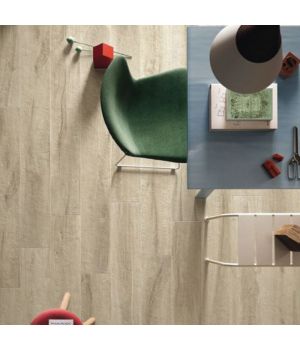
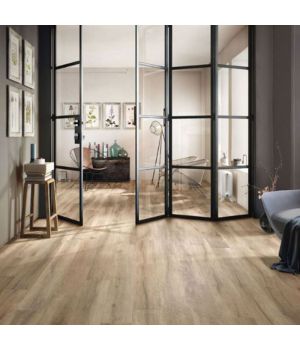
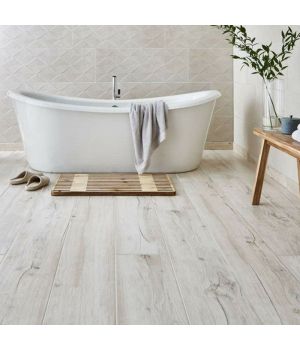
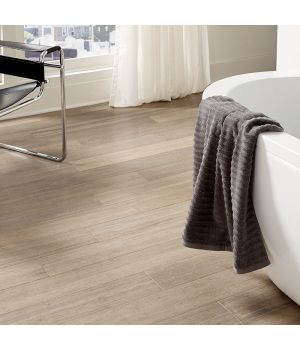
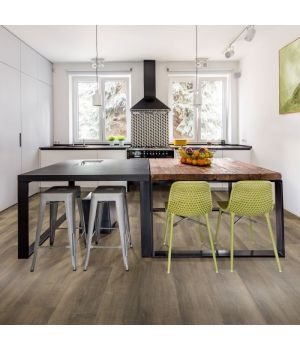
Wood-effect planks and patterned tiles bring warmth and character to kitchen floors. Wood effect works particularly well in country or transitional kitchens, while bold patterned tiles can define a smaller kitchen space or breakfast area without overwhelming it. For a complementary wall option, metro kitchen tiles pair well with most of the floor styles on this page.
- White marble-effect porcelain paired with handleless gloss cabinetry creates a classic, high-end kitchen look.
- Black sparkle quartz tiles alongside chrome fixtures and dark units suit a bold, contemporary kitchen-diner.
- Patterned floor tiles used in a small kitchen breakfast zone add personality without covering the entire floor area.
- Warm cream stone-effect tiles with painted Shaker units give a relaxed, country kitchen feel that ages well.
- Grey matt porcelain is a safe, versatile choice that complements most kitchen colour schemes and hides everyday use.
Durability, Slip Resistance, Cleaning and Underfloor Heating
Porcelain kitchen floor tiles are among the hardest-wearing options available — they resist scratching from chairs, trolleys, and dropped items far better than softer natural stone alternatives. Most tiles on this page are rated for heavy domestic use, making them a long-term choice for active kitchens.
Polished tiles clean quickly with a damp mop and mild cleaner, but show watermarks more readily than matt finishes. Matt and textured surfaces are more forgiving of everyday splashes and foot traffic, and require less frequent polishing to maintain their appearance.
Near sinks and cooking areas, wiping spills promptly is the best practical measure for any floor finish. Using a good-quality mat at the sink reduces both slip risk and surface wear in the most active part of the kitchen.
Most porcelain and quartz floor tiles on this page are compatible with underfloor heating systems. Check individual product specifications to confirm suitability for your heating type before purchasing.
- Place a door mat at kitchen entry points to reduce grit and dirt being tracked across the tile surface.
- Fit felt pads under chair and stool legs to prevent scratching on polished or gloss tile surfaces.
- Sweep or vacuum regularly to prevent fine grit from dulling the surface finish over time.
- Wipe spills near the sink and hob quickly — even sealed tiles benefit from prompt cleaning in splash zones.
Comparing Kitchen Floor Tile Options
The table below gives a quick comparison of the three main material options on this page to help you narrow down your choice.
| Option | Best For | Care Level |
|---|---|---|
| Porcelain | Busy family kitchens, all floor areas | Low maintenance — mop and go |
| Quartz (Sparkly) | Kitchen-diners, statement open-plan floors | Moderate — polish to maintain shine |
| Stone / Stone-Effect | Country, natural and Shaker-style kitchens | Low to moderate — seal natural stone |
Kitchen Floor Tile Prices and Budget Guide
Kitchen floor tiles on this page range from accessible value options through to premium statement designs. Knowing your budget per m² before browsing helps narrow the choice quickly — and remember to factor in 10–15% extra for cuts and wastage when calculating quantities.
Fitting costs are separate from tile prices, so if you are using a tiler, get a labour quote alongside your material budget. Larger-format tiles often reduce fitting time compared with smaller formats, which can offset a slightly higher tile price per m².
| Band | Typical Price per m² | Best For |
|---|---|---|
| Value | From around £12–£20 | Budget kitchens, utility areas, rentals |
| Mid-range | Around £20–£35 | Porcelain marble effect and stone effect |
| Premium | Around £40–£50+ | Sparkly quartz and high-design statement tiles |


Kitchen Floor Tiles — Frequently Asked Questions
Are porcelain tiles good for kitchen floors?
Yes. Porcelain is one of the best materials for kitchen floors — hard-wearing, low-porosity, resistant to scratches, and easy to keep clean with regular mopping.
Are polished tiles too slippery in a kitchen?
Polished tiles can be slippery when wet. Wiping spills promptly and using a sink mat reduces risk considerably. Always check the slip rating on individual product pages.
How do I work out how many tiles I need?
Measure the floor area in square metres, then add 10–15% for cuts and waste. Most product pages include a tile calculator to simplify the process.
Can I use these kitchen floor tiles with underfloor heating?
Most porcelain and quartz tiles on this page are compatible with underfloor heating. Check the product specification for confirmation before purchasing for a heated floor system.
How do I clean kitchen floor tiles?
Regular sweeping followed by mopping with a mild, pH-neutral floor cleaner keeps most kitchen tiles in good condition. Avoid harsh acids or abrasive tools on polished surfaces.