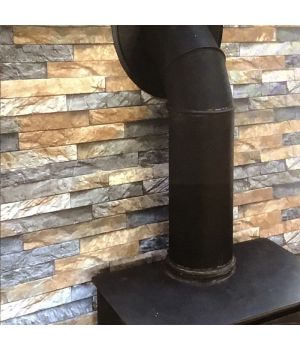
Orange Wall Tiles
Designer Tiles Orange Tones For Tiling Ideas
This page brings together orange and burnt‑ochre porcelain wall tiles, split‑face cladding, terracotta quarry tiles and mosaics — all chosen for their ability to create bold, characterful feature walls.
Orange tones add warmth and vibrancy to kitchens, bathrooms and living spaces. Explore the full orange tiles range, order free samples and spread the cost with 0% finance.
Why choose orange wall tiles?
Orange is one of the most energetic, warming colours you can introduce to a wall. Used on a single feature wall or splashback, it adds real character without the commitment of repainting an entire room.
This category includes oxidised stone‑effect porcelain (Pompeya Oxido Multi), porcelain cladding (Ledgestone Ocra), traditional terracotta quarry tiles (Aragon Red Terracotta) and decorative red and orange mosaics (Victorian Red Mosaics). Whether you want something rustic, raw or deliberately bold, there is an orange wall tile here for the job.
Porcelain is hard‑wearing and easy to maintain in busy kitchens and bathrooms. Terracotta quarry tiles bring a natural, tactile quality that few other materials replicate. Browse all wall tiles if you are comparing orange against other colours and finishes.


Orange wall tiles for every room
Kitchens and splashbacks
Pompeya Oxido Multi is a strong splashback tile — its oxidised surface handles the busy visual backdrop of a kitchen well, and the tonal variation means marks are less visible than on a flat colour. Victorian Red Mosaics work well in smaller feature areas such as niche shelves or behind a hob. Ledgestone Ocra cladding is a striking option beneath a cooker hood or on a kitchen feature wall.
Orange pairs well in kitchens with dark wood cabinetry, black metal hardware and off‑white or stone worktops. Browse orange kitchen tiles for the full selection.
- Pompeya Oxido Multi for a full splashback with warm, natural tonal variation.
- Victorian Red Mosaics for a decorative niche shelf or accent border behind a hob.
- Ledgestone Ocra cladding beneath a cooker hood for a bold, textured kitchen feature.
Bathrooms and showers
Pompeya Oxido Multi handles wet environments well as a porcelain tile — the oxidised surface finish adds warmth to a shower wall without feeling loud or overpowering. Victorian Red Mosaics suit shower niches and small feature recesses. Ledgestone Ocra cladding brings spa‑style depth to a bathroom accent wall, particularly alongside natural stone floors or timber‑effect tiles.
Orange pairs well in bathrooms with white sanitaryware, warm brass or copper fittings and natural wood flooring. See the full range of orange bathroom tiles for floor and wall options together.
- Pompeya Oxido Multi for a warm, textured shower wall with natural stone character.
- Victorian Red Mosaics for a decorative shower niche or bath surround detail.
- Ledgestone Ocra for a tactile, spa‑style feature wall alongside a freestanding bath.
Living rooms and feature walls
Ledgestone Ocra cladding and Aragon Red Terracotta Quarry Tiles are the strongest options for living‑room feature walls. The cladding suits modern or industrial‑leaning schemes — chimney breasts, TV walls and entrance halls where 3D texture does the work. Aragon Red Terracotta leans more rustic — appropriate for period homes, conservatories or Mediterranean‑inspired interiors.
Orange and burnt‑ochre tones combine naturally with charcoal, black, warm wood, natural linen and brushed metal. Browse the wider orange tiles range for floor tiles that coordinate in the same palette.
- Ledgestone Ocra cladding for a fireplace surround, chimney breast or TV wall.
- Aragon Red Terracotta for a rustic or Mediterranean‑style entrance hall or conservatory wall.
- Pair orange wall tiles with dark wood floors and black metal frames for a grounded, considered scheme.
Sizes, layouts and grout for orange walls
Pompeya Oxido Multi works well in large panels on feature walls — the bigger the run, the more the natural tonal variation reads as a whole surface rather than individual tiles. Fewer grout lines also let the oxidised pattern flow without interruption.
Ledgestone Ocra and split‑face cladding create a multi‑level surface where the three‑dimensional stacking is the feature — these are best fixed with adequate adhesive and left with natural shadow gaps between courses. Victorian Red Mosaics are most effective in small, concentrated areas rather than large runs.
For grout, an earthy terracotta or mid‑brown shade blends naturally with orange tiles; light grout adds deliberate contrast; dark grout handles marks better in kitchens.
Orange wall tile options at a glance
| Tile style | Best for | Key benefits |
|---|---|---|
| Orange/burnt‑ochre porcelain cladding (Ledgestone Ocra) | Fireplaces, TV walls, entrance features, spa bathrooms | 3D texture and depth; porcelain durability; warm orange and brown tones |
| Oxidised stone‑effect porcelain (Pompeya Oxido Multi) | Full‑height feature walls, bathrooms, kitchen splashbacks | Natural tonal variation; flat format; easy to clean and maintain |
| Terracotta and mosaic accents (Aragon Red Terracotta, Victorian Red Mosaics) | Rustic kitchens, hallways, niches, decorative borders | Authentic character; flexible small‑format use; suits Mediterranean and period schemes |
Orange wall tile prices
| Price band | Typical price per m² | What you get |
|---|---|---|
| Porcelain cladding | From £17.97 | Ledgestone Ocra 3D cladding; warm ochre tones; textured feature‑wall finish |
| Oxidised stone‑effect porcelain | Around £34.97 | Pompeya Oxido Multi; natural rust and orange tones; full‑height wall panels |
| Terracotta and mosaics | £39.97–£85.99 | Authentic terracotta character or small‑format mosaic accents; rustic and decorative uses |
Orange wall tiles FAQs
Are orange wall tiles too bold for small kitchens or bathrooms?
Used on a single feature wall or splashback, orange reads as warm rather than overwhelming. Pompeya Oxido Multi's tonal variation keeps it grounded in smaller rooms.
Can I use orange cladding or Pompeya Oxido Multi tiles in a shower area?
Pompeya Oxido Multi is porcelain — non‑porous and suitable for wet areas with correct waterproofing. Ledgestone Ocra cladding is also porcelain and handles damp conditions well.
What is the difference between cladding, stone‑effect tiles, terracotta and mosaics?
Cladding is three‑dimensional and stacked; Pompeya Oxido Multi is a flat stone‑effect tile; terracotta is natural clay‑fired; mosaics are small‑format accent pieces.
Do orange wall tiles date quickly?
Earthy, burnt‑ochre tones like Ledgestone Ocra and Pompeya Oxido Multi are grounded in natural materials and tend to age well rather than feel trend‑led.
Do you offer free samples of orange wall tiles?
Yes — free samples are available across the range. You can also spread the cost of your order with 0% finance, subject to eligibility.