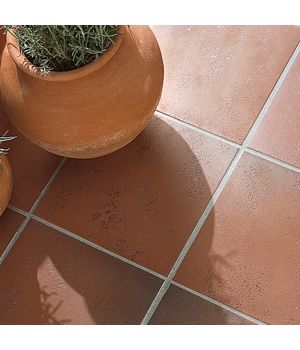
Orange Kitchen Tiles

Shop By
Shopping Options
Category

Orange Kitchen Tiles for Warm, Welcoming Kitchens

Orange kitchen tiles bring warmth and character to walls, floors and splashbacks in a way that few other colours manage. From subtle ochre tones to rich terracotta and textured cladding, this range covers every level of orange — bold or restrained, rustic or contemporary.

The range includes Pompeya Oxido Multi Porcelain Wall Tiles, Ledgestone Ocra Porcelain Cladding, Aragon Red Terracotta Quarry Tiles and Ledgestone Ocra Split Face Slate Effect Porcelain Cladding — a varied set of options for kitchens that want genuine visual warmth.

  • Warm colour palette that adds depth and personality to kitchen walls, splashbacks and floors
  • Options for both wall-only applications and hard-wearing kitchen floor tiles
  • Durable porcelain and terracotta surfaces suited to busy, everyday kitchens

Browse the full kitchen tiles range to see how orange sits alongside other colours and formats across the site.

Porcelain Orange Tiles or Terracotta?

Porcelain cladding — the Ledgestone Ocra and Ledgestone Ocra Split Face options — is dense, low-maintenance and handles moisture well, making it well suited to kitchen splashbacks and feature walls around hobs. It needs no sealing and cleans easily with standard kitchen products.

Pompeya Oxido Multi Porcelain Wall Tiles take a different approach: a flat, multi-tone rust and orange finish across a standard wall tile body. The result is modern and graphic, easier to lay than cladding and straightforward to keep clean on splashbacks and feature surfaces.

Aragon Red Terracotta Quarry Tiles bring a different character entirely — textured, earthy and authentically rustic in a way that porcelain doesn't replicate. They work well on kitchen floors where that warmth underfoot matters, but terracotta does require sealing before and after installation and needs a little more care on a day-to-day basis than porcelain.

  • Porcelain: zero sealing required, excellent stain resistance, easy to wipe clean after kitchen use
  • Terracotta: warmer feel underfoot, highly characterful, but needs sealing and careful maintenance on floors
  • Both work with underfloor heating when the correct adhesive and installation method is used
  • Porcelain cladding adds texture that standard porcelain wall tiles can't achieve on a feature wall

For a wider range of warm-toned options beyond the kitchen range, the full orange tiles colour category covers more formats and finishes.

Which Orange Kitchen Tile Is Best for You?

The four products in this range cover different kitchen applications — this table shows where each one works hardest.

Product Best For Look & Feel
Pompeya Oxido Multi Porcelain Wall Tiles Feature splashbacks and statement walls Rusted metal, multi-tone orange
Ledgestone Ocra Porcelain Cladding Textured feature walls and breakfast bars Layered stone in warm ocra tones
Ledgestone Ocra Split Face Slate Effect Bold split-face wall designs Deep texture, slate-style patterning
Aragon Red Terracotta Quarry Tiles Rustic kitchen floors Authentic terracotta character

Orange Kitchen Tile Prices

Prices in this range vary by material and format. Porcelain cladding options like the Ledgestone Ocra ranges start from around £20–£25/m², making them an accessible entry point for a textured feature wall. Mid-range porcelain wall tiles such as Pompeya Oxido Multi and the Aragon Red Terracotta Quarry Tiles sit in the £35–£45/m² region depending on format and quantity.

Promotions and seasonal sales can bring individual product prices down, and 0% finance may reduce the upfront cost of larger kitchen projects. Always check individual product pages for the most current pricing before ordering.

For lower price-point kitchen tile options across all colours, the cheap kitchen tiles category is worth checking alongside this range.

Installation and Care Tips

For porcelain cladding and standard wall tiles, use a quality flexible tile adhesive suitable for the tile weight and the surface you're tiling onto — split-face cladding in particular benefits from a good-coverage, back-buttered application. Grout choice matters for cladding: a flexible, wide-joint grout handles the irregular edges more cleanly than a standard product.

Before laying Aragon Red Terracotta Quarry Tiles on a kitchen floor, check the manufacturer's guidance on sealing — most terracotta requires a pre-installation seal as well as a finishing coat once grouted. Skipping this step leads to staining that's difficult to reverse on a porous surface.

On splashbacks and kitchen floors of any material, wiping spills quickly is the most effective maintenance habit — orange and ocra tones stay looking their best when grease and cooking residue doesn't have time to dry into grout lines or surface texture. For a full step-by-step guide, how to install porcelain floor tiles covers the process in practical detail.

  • Order 10–15% extra tiles to account for cuts, breakages and future repairs
  • Use the correct notched trowel size for the tile format — larger tiles need a larger trowel for even coverage
  • If installing over underfloor heating, use a flexible adhesive rated for thermal movement
  • Test any new cleaning product on a spare tile or hidden area before applying it across the whole floor

Orange Kitchen Tiles FAQs

Are orange tiles suitable for small kitchens?

Yes — used on one wall or as a splashback only, orange adds warmth without closing the space in. Pair with light cabinets and neutral floors to keep the balance right.

Can I use these tiles behind a hob?

Porcelain tiles and cladding are suitable for splashback and hob wall applications. Always follow the installation guidance and check the product specification for heat-proximity suitability.

Do terracotta kitchen floor tiles need sealing?

Yes — terracotta is a porous material and should be sealed before installation and again once grouted. This protects the surface from staining and simplifies day-to-day cleaning.

How do I keep orange tiles looking clean?

Wipe spills promptly and clean regularly with a pH-neutral tile cleaner. Avoid abrasive products on porcelain surfaces and re-seal terracotta periodically to maintain its appearance.

Are split-face cladding tiles easy to maintain in a kitchen?

The textured surface needs a soft brush or cloth to reach into the relief — a standard wipe isn't always enough. For splashbacks near a hob, a regular wipe-down prevents grease building up in the texture.

Spread The Cost With 0% Finance Easily With Klarna & ClearPay