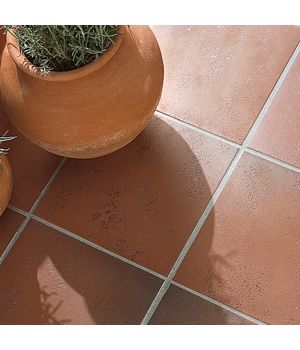
Terracotta Kitchen Tiles
-
Aragon Red Terracotta Quarry Tiles£ 39.97 /m2 Regular Price £69.00 /m2
Terracotta Rustic Tile Ideas
This range brings warm terracotta and terracotta-effect tiles to rustic and Mediterranean-style kitchens.
Choose traditional clay quarry tiles and handmade terracotta for genuine character, or low-maintenance terracotta-effect porcelain such as Porto Bone Cream and Tokyo Siena for easier care.
Either way, you get earthy warmth and a durable surface for busy kitchens, with free samples and 0% finance available.
Real terracotta or terracotta-effect porcelain?
Natural clay tiles such as Aragon Red Terracotta Quarry Tiles and Handmade Terracotta Floor Tiles give genuine warmth and texture, with tonal variation from the clay itself. A larger format, Handmade Terracotta 200mm x 200mm x 20mm tiles, suits a chunkier, rustic floor.
Terracotta-effect porcelain — including Porto Bone Cream, Porto Rosso Pink, Tokyo Siena and Tokyo White — recreates that look in a tile that's far easier to live with.
- Natural terracotta needs sealing before grouting and re-sealing periodically against staining.
- Real clay tiles absorb more water, so spills should be wiped up promptly.
- Handmade terracotta brings genuine character that porcelain can only imitate.
- Terracotta-effect porcelain needs no sealing and wipes clean easily in busy family kitchens.
- Porcelain's low water absorption is more forgiving around sinks and hobs.
- Both types work with underfloor heating when installed correctly.


Terracotta kitchen looks you can create
Within our kitchen tiles range, terracotta tones build several looks, from classic farmhouse to softer contemporary schemes, and work on both floors and walls in open-plan spaces.
- Pair Aragon Red Terracotta Quarry Tiles or Handmade Terracotta with shaker cabinets for a farmhouse floor.
- Use Porto Bone Cream for a softer, creamier terracotta-effect look in country kitchens.
- Bring in Porto Rosso Pink for a warmer, more playful neutral scheme.
- Choose Tokyo White Terracotta Effect tiles for a lighter, contemporary feel underfoot.
- Combine terracotta floors with black metal fittings or rustic wood shelving for contrast.
Finish, slip resistance and where to use terracotta
This range includes rustic matt clay, smooth matt terracotta-effect porcelain, and textured R11 anti-slip options such as Tokyo Siena. Each suits a different spot in the kitchen.
R11-rated and textured matt tiles are the better choice for main kitchen floor tiles, especially near sinks and hobs. Smoother matt terracotta-effect tiles work well on walls, splashbacks and lower-traffic dining areas.
- Main kitchen floor: textured matt or R11 terracotta-effect porcelain for grip underfoot.
- Utility or boot room floor: durable terracotta-effect porcelain that copes with dirt and damp.
- Dining area: smoother matt finishes where comfort underfoot matters most.
- Splashbacks and feature walls: any matt terracotta-effect tile for a warm backdrop.
- Island zone: a more textured finish for extra footfall around prep areas.
Kitchen ideas with terracotta tiles
Terracotta tiles suit farmhouse, country and Mediterranean-style kitchens, pairing easily with exposed brick, painted wood cabinetry and stone-effect worktops.
In open-plan homes, a terracotta floor can run from kitchen into dining or snug areas, tying spaces together. For more pairing ideas, see 10 Ways to Use Terracotta Tiles in Your Home.
Beyond looks, a terracotta or terracotta-effect floor brings real comfort underfoot for daily kitchen life — see 10 Reasons to Get Tiles This Summer for more.
Installation and care in a terracotta kitchen
Natural terracotta needs sealing before grouting, with a maintenance seal applied periodically. Terracotta-effect porcelain needs no sealing and simply wipes clean.
Both work with underfloor heating when fitted correctly. For subfloor prep and adhesives, see our guide to installing porcelain floor tiles — real terracotta may call for different sealing products.
- Seal natural terracotta before grouting, then re-seal periodically based on wear.
- Wipe terracotta-effect porcelain with a damp cloth and mild detergent.
- Check underfloor heating compatibility and follow manufacturer guidance for both types.
- Avoid harsh acidic or abrasive cleaners on natural terracotta, as these strip the seal.
- Use a soft mop and pH-neutral cleaner for everyday care.
- Deal with spills promptly on real terracotta, which absorbs moisture more readily.
Terracotta kitchen tile options at a glance
Use this table to compare the main types of terracotta and terracotta-effect tile available, and where each works best in a kitchen.
| Type | Look | Best kitchen use |
|---|---|---|
| Natural clay terracotta quarry | Rustic, varied tones, handmade feel | Cosy cottage or farmhouse kitchen |
| Terracotta-effect porcelain, warm tones | Classic terracotta look, consistent finish | Busy family kitchen floor |
| Terracotta-effect porcelain, contemporary shades | Softer, lighter or pink-toned terracotta | Modern rustic open-plan kitchen |


Terracotta kitchen tile prices
Guide prices for terracotta and terracotta-effect kitchen tiles typically start from around £30–£45 per m² for value terracotta-effect porcelain, suited to smaller kitchens or budget projects.
Mid-range porcelain and some quarry options generally fall between £45–£65 per m², while premium handmade terracotta or high-design terracotta-effect tiles start from around £65+ per m². These are guide bands only — exact prices depend on product, size, finish and any sale discount.
| Band | What you get | Typical kitchen use |
|---|---|---|
| £30–£45 per m² | Entry-level terracotta-effect porcelain | Small kitchens and budget projects |
| £45–£65 per m² | Mid-range porcelain and quarry options | Hardwearing floors for family kitchens |
| £65+ per m² | Premium handmade or high-design terracotta-effect | Statement handmade terracotta for feature spaces |
For the most accurate pricing, check individual product pages, and order free samples to see how each tone and finish looks in your own kitchen lighting before you buy.
Terracotta kitchen tiles FAQs
Does real terracotta need sealing in a kitchen?
Yes. Natural terracotta should be sealed before grouting and re-sealed periodically to protect against stains and moisture.
How does terracotta-effect porcelain compare for maintenance?
It needs no sealing, wipes clean easily and resists stains and moisture far better than natural clay tiles.
Is terracotta suitable for underfloor heating?
Both real terracotta and terracotta-effect porcelain work with underfloor heating when fitted by an experienced installer.
What's the best finish for a non-slip kitchen floor?
Textured matt or R11-rated tiles, such as Tokyo Siena, offer better grip for busy kitchen floors.
How should I clean terracotta tiles day to day?
Use a soft mop with a mild, pH-neutral cleaner, and avoid harsh or acidic products that can damage natural terracotta seals.