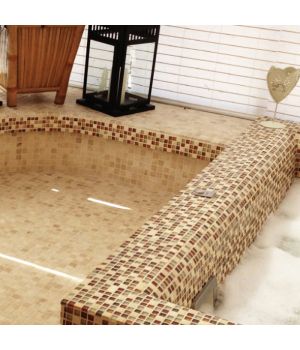
Cream Tiles

Cream Tiles for Every Room
This page brings together cream wall and floor tiles suited to kitchens, bathrooms, living areas and outdoor spaces. Whether you want a simple, plain finish or something with more character, the range covers plain cream porcelain such as Super Cream and Cream Matt, marble-effect and onyx-effect options including Oreal Crema, Tiger Cream Onyx and Rossaliya Ivory, plus Ledgestone Cream cladding and the eye-catching Arabian Cream Sparkly Quartz.
Cream is a warm neutral that brightens rooms without the clinical edge of pure white. It sits well alongside natural wood, dark grout, bold kitchen cabinetry and soft grey walls, making it equally at home in a period cottage or a new-build open-plan kitchen. For style inspiration, take a look at our 10 popular cream tiles article.
Why choose cream tiles?
Cream tiles give a warm, light, neutral backdrop that works equally well in kitchens, bathrooms, hallways and open-plan living spaces. The tone is friendly enough to make a small room feel more open, while remaining refined enough to anchor a larger space without becoming overwhelming.
- Softer than white but still bright and airy — cream adds warmth without making a room feel dim or enclosed.
- Pairs naturally with wood, stone, grey and bold accent colours, giving you plenty of freedom with furniture and fixtures.
- Available across a wide range of formats and finishes — polished, matt, marble-effect, mosaics, cladding and sparkly quartz all feature in the cream palette.
- Suitable for both walls and floors across many ranges, which makes it straightforward to match surfaces throughout a room.
- Works for both classic and contemporary interiors, from a traditional farmhouse kitchen to a sleek, minimal wet room.


Cream tiles for kitchens and bathrooms
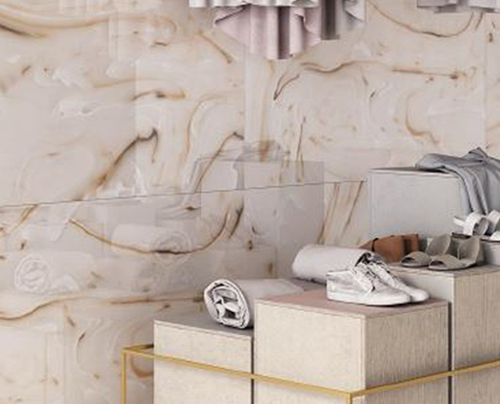
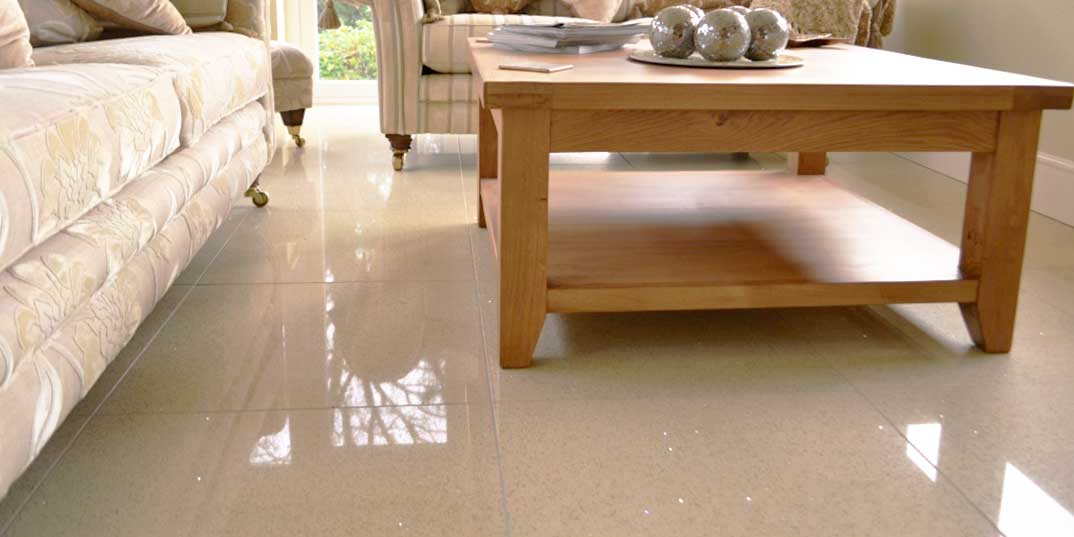
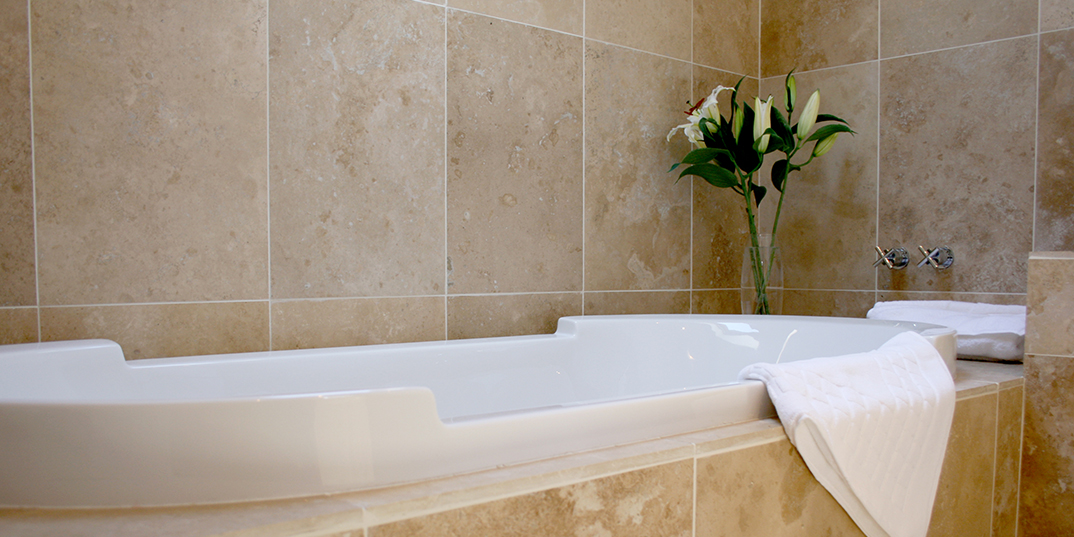
Plain cream and marble-effect porcelain tiles such as Super Cream Polished, Oreal Crema, Harmony Ice Cream and Havana Beige Cream are a reliable choice for kitchens and bathrooms. Their light tone keeps rooms feeling calm and spacious, while a polished or stone-look finish adds enough visual interest to stop the scheme feeling flat. In bathrooms especially, the marble and onyx effects introduce a spa-like quality without the maintenance demands of real stone.
For kitchen walls, cream brick tiles and cream metro formats are a classic choice. Their familiar shape is easy to live with, the grout lines give a neat, structured look, and the glazed surface wipes down quickly — practical for a room that takes a lot of daily use.
On floors, cream porcelain comes into its own in family bathrooms and kitchens where durability matters. A matt or R10-rated finish is the sensible pick for wetter or busier areas, reducing the risk of slipping when the floor is damp.
For a broader look at how cream tiles sit within a full kitchen scheme, our 50 kitchen tile ideas article covers layouts, grout colours and format pairings worth considering before you order.
Cream tile materials and finishes compared
| Material | Best for | Main benefits |
|---|---|---|
| Cream porcelain tiles (polished and matt) | Floors and walls in kitchens, bathrooms and hallways | Durable, low maintenance, frost-resistant, wide size range |
| Cream marble-effect and onyx-effect porcelain | Feature walls, bathroom floors, open-plan living areas | Stone look without sealing; consistent colour across tiles |
| Cream natural stone (marble, limestone, travertine) | Period homes, luxury bathrooms, statement floors | Unique natural veining; premium finish; ages well |
| Cream mosaics and cladding (Ledgestone Cream) | Shower trays, feature walls, garden walls, fireplaces | Textured surface; adds depth; easy to cut around obstacles |
| Cream sparkly quartz tiles (Arabian Cream) | Luxury bathrooms, reception areas, feature floors | Distinctive shimmer; hard-wearing; striking visual impact |


Cream tile price guide
Prices across the cream tile range vary depending on the material, tile size, surface finish and whether specific lines are on promotion. Entry-level porcelain represents strong value for large projects, while premium quartz and natural stone cladding carry a higher price per m² to reflect their quality and visual impact.
| Price band | Typical tiles | Best for |
|---|---|---|
| Value — approx. £12.97–£18 per m² | Harmony Ice Cream, Oyster Pearl, Oreal Crema and other promotional cream porcelain | Larger floor or wall areas, rental properties, budget renovations |
| Mid-range — approx. £18–£30 per m² | Super Cream, Havana Beige Cream, Orleans Beige Cream, Ledgestone Cream | Family bathrooms, kitchen floors, living areas with a longer lifespan in mind |
| Premium — approx. £30–£65+ per m² | Breccia Daino, Arabian Cream Sparkly Quartz, Ledgestone Ice Split Face | Feature walls, luxury bathrooms, high-end residential or commercial spaces |
Cream tiles FAQs
Q: Are cream tiles hard to keep clean?
A: Not particularly. Glazed cream porcelain wipes down easily with a damp cloth and standard tile cleaner. Matt finishes may need slightly more attention in high-grease areas like kitchen splashbacks, but sealing is rarely needed unless you choose natural stone.
Q: Are cream tiles a good choice for small kitchens and bathrooms?
A: Yes. Cream reflects light well and its warm tone makes compact rooms feel more open than they are. Larger format tiles with minimal grout lines help further, reducing the visual breaks that can make a small space feel cluttered.
Q: Can I use the same cream tile on both walls and floors?
A: Many ranges in the cream collection are suitable for both surfaces, but always check the slip resistance rating before using a wall tile on a floor. Polished porcelain is generally better kept to walls or low-traffic floors, while matt or R10-rated tiles are the safer option underfoot.
Q: Should I choose polished or matt cream tiles for my kitchen?
A: On kitchen walls, polished cream tiles look sharp and reflect light nicely. On kitchen floors, a matt or textured finish is more practical — it hides footprints better and is less slippery when wet. Many kitchens use a polished wall tile paired with a matt floor tile to get the best of both.
Q: Are cream porcelain tiles better than natural stone for busy homes?
A: For most busy households, porcelain wins on practicality. It does not need sealing, resists staining well and holds up to heavy foot traffic. Natural stone is beautiful but requires periodic sealing and is more susceptible to acids from food and cleaning products. For a look that mimics stone without the upkeep, a cream marble-effect porcelain is a sensible middle ground.