Splashback Kitchen Tiles
-
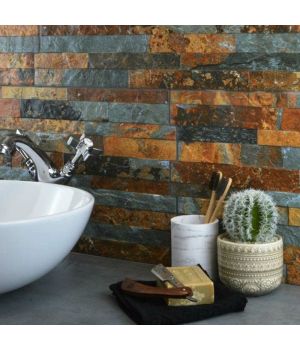
Pompeya Oxido Multi Porcelain Wall Tiles£ 34.97 /m2 Regular Price £42.00 /m2 -
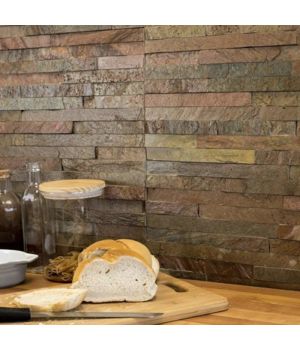
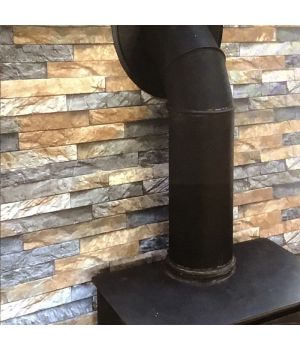
Ledgestone Copper Split Face Cladding£ 59.97 /m2 Regular Price £80.00 /m2 -
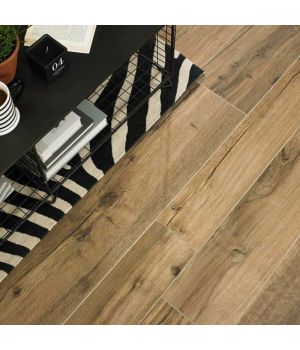
Mumble Honey Wood Effect Anti Slip Porcelain Tiles£ 39.97 /m2 Regular Price £56.00 /m2 -
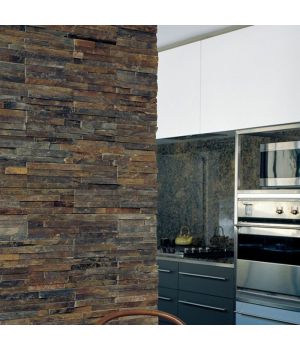
Ledgestone Sheera Split Face Cladding£ 59.97 /m2 Regular Price £72.00 /m2 -
Ledgestone Ocra Split Face Slate Effect Porcelain Cladding£ 17.97 /m2 Regular Price £30.00 /m2
Kitchen Splashbacks Ideas
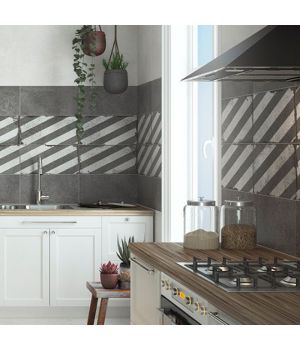
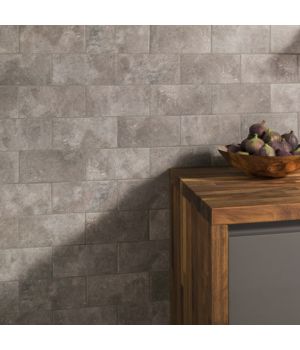
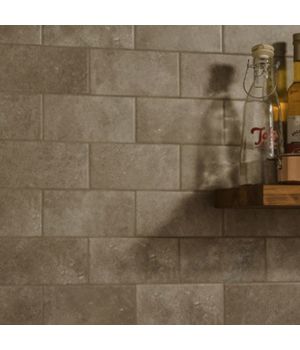
Built for the hardest-working spots in any kitchen, this splashback range covers the wall area behind your hob, sink and worktops. Every tile is chosen for heat resistance, wall protection and easy cleaning, without giving up on style. From marble-effect subway and metro brick to hexagon tiles and mosaics, discover options across our full kitchen wall tiles collection.
What Is a Kitchen Splashback?
- A kitchen splashback is the tiled surface fixed to the wall behind your hob, sink and worktops, protecting against water, grease and food splashes.
- Tiles in this position need to be heat- and moisture-resistant — especially in the zone immediately behind a gas or electric burner.
- Dense, low-porosity surfaces are the practical standard here, as they wipe down quickly and resist staining after everyday cooking.
- A well-chosen splashback also doubles as a design feature, connecting worktop, cabinet and flooring choices into a finished scheme.


Popular Splashback Tile Styles
- Marble-effect subway tiles bring a timeless, high-end feel to kitchen walls — browse the full selection in our modern kitchen splashback tiles range.
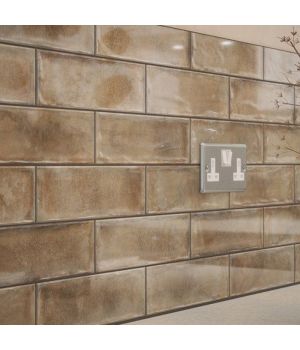
- Classic metro and brick formats in gloss or matt suit both contemporary open-plan kitchens and more traditional fitted designs.
- For geometric interest directly behind the hob, hexagon kitchen tiles create a confident focal point without overworking the space.
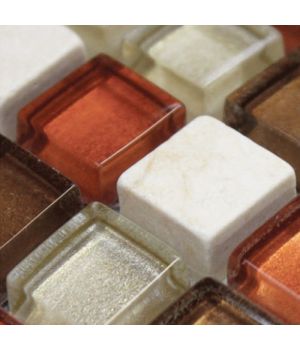
- Polished mosaics deliver a chic, small-format result above worktops or as a border detail between plainer tile runs.
Gloss vs Matt Splashback Tiles
Finish choice shapes both how well the splashback cleans down after cooking and how the wall reads in the wider kitchen.
| Feature | Gloss Splashback Tiles | Matt Splashback Tiles |
|---|---|---|
| Cleaning | Wipes clean quickly after cooking | Hides grease smears more easily |
| Light Reflection | Bounces light, lifts compact kitchens | Absorbs light, reduces surface glare |
| Style Feel | Sleek, sharp, high-contrast finish | Softer, more understated texture |
| Best For | Small kitchens, bold feature walls | Relaxed tones and muted palettes |
Choosing Materials for Kitchen Splashbacks
- Ceramic tiles are a reliable, affordable entry point — easy to cut, widely available and suitable for most low-heat splashback areas.
- Porcelain brings greater density and heat resistance, making it the stronger choice directly behind a busy hob or range cooker.
- Glass and natural stone are available where budget and aesthetics allow, though porous stone varieties such as travertine or marble will need sealing at installation.
- For a deeper look at surface performance by material, our guide to what is the best tile for walls covers the key comparisons.
Splashback Kitchen Tile Prices
| Budget Level | Price Per m² | Typical Splashback Options |
|---|---|---|
| Budget | From £12.97/m² | Ceramic metro and brick wall tiles |
| Mid-Range | £17.97–£24.99/m² | Marble-effect subway, hexagon, gloss mosaics |
| Premium | £29.99–£39.99/m² | Designer formats, special finishes, natural stone |
Because a splashback covers a smaller area than a floor or full feature wall, your tile budget goes further — and stepping up a tier is often achievable. Spread the cost with our 0% finance on qualifying orders.
Splashback Design Ideas
- White metro tiles set against dark charcoal grout give a clean, graphic finish — for more monochrome inspiration, see our 10 black and white tile ideas.
- Marine blue gloss brick tiles make a confident statement directly behind the hob and sit especially well against white shaker cabinetry.
- Marble-effect subway tiles in a herringbone layout above the worktops add a layer of structure and a hint of luxury without heavy cost.
- Mosaics in warm stone or soft grey bring in colour and texture as a full splashback or as a feature strip between plainer tiles.
Practical Tips for Planning Your Splashback
- Measure the hob zone and sink zone separately — widths and heights often differ, and socket positions can affect tile layout.
- Add a minimum of 10% to your calculated area to cover cuts, waste and any adjustments around pipework or electrical fittings.
- Check that tiles installed directly above a gas hob carry a suitable heat rating — porcelain is the standard recommendation for this zone.
- Grout colour is worth thinking through early: a matching tone blends tiles into a continuous surface, while a contrasting shade sharpens the grid and adds definition.
Browse the complete kitchen tiles collection to plan the full room alongside your splashback.


Frequently Asked Questions
What tiles are best for a kitchen splashback?
Porcelain and ceramic are the most practical choices — both handle heat and moisture well and clean down easily. Gloss metro and marble-effect subway formats are consistently popular in UK kitchens.
Can I use floor tiles on a kitchen splashback?
In most cases, yes. Wall tiles are lighter and simpler to fix vertically, but many floor tiles perform perfectly well on a splashback provided they meet the relevant heat and moisture requirements.
Are glossy splashback tiles hard to keep clean?
Gloss surfaces actually wipe down very quickly after cooking. Water marks and fingerprints show more readily than on matt tiles, but a damp cloth handles daily maintenance without any specialist products.
How high should my kitchen splashback be?
Most splashbacks run 400–600mm high between the worktop and wall units. Behind a hob, tiling all the way up to the extractor hood provides the best protection and looks more intentional.
Do splashback tiles need sealing?
Porcelain and ceramic tiles do not require sealing. Natural stone splashbacks — marble, travertine and similar materials — should be sealed on installation and retreated periodically to guard against staining and moisture ingress.