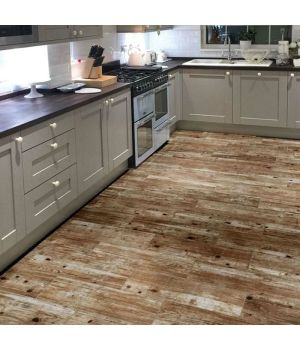
Wood Effect Floor Tiles
-
Mumble Wenge Wood Effect Porcelain Tiles£ 39.97 /m2 Regular Price £42.00 /m2 -
Cedar Brown Wood Effect Porcelain Tiles£ 17.97 /m2 Regular Price £30.00 /m2 -
Noicy Grey Wood Effect Porcelain Tiles£ 17.97 /m2 Regular Price £25.00 /m2 -
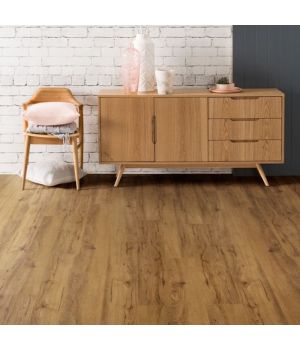
Alder Natural Wood Effect Porcelain Tiles£ 17.97 /m2 Regular Price £29.50 /m2 -
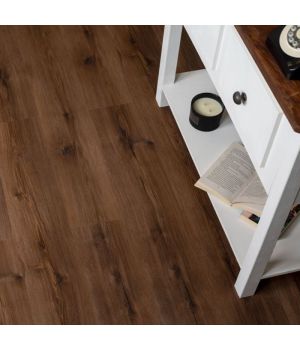
Curly Oak Dark Wood Effect Porcelain Tiles£ 17.97 /m2 Regular Price £26.50 /m2 -
Mumble Honey Wood Effect Anti Slip Porcelain Tiles£ 39.97 /m2 Regular Price £56.00 /m2 -
Tarima Roble Wood Effect Porcelain Tiles£ 31.95 /m2 Regular Price £36.00 /m2 -
Grand Wood Effect Natural Cold Brown Porcelain Tiles£ 29.99 /m2 Regular Price £45.00 /m2
Wood Effect Porcelain Floor Tiles
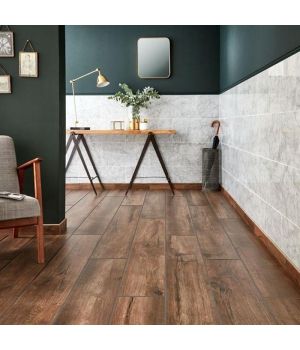
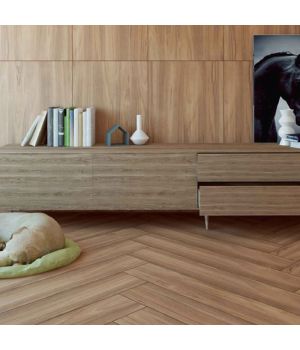
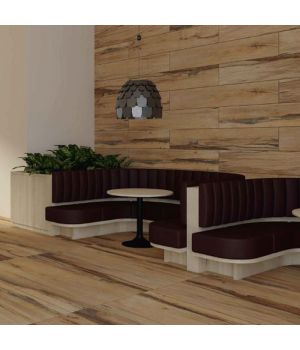
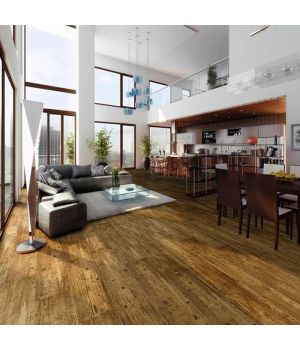
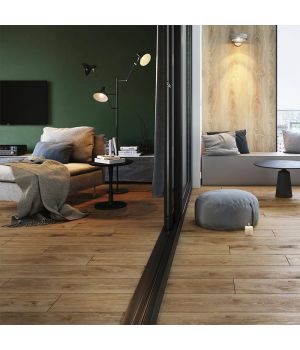
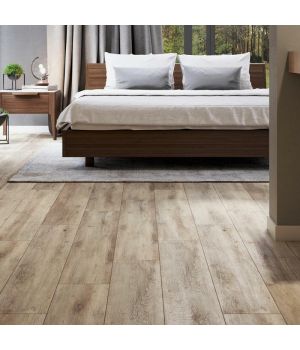
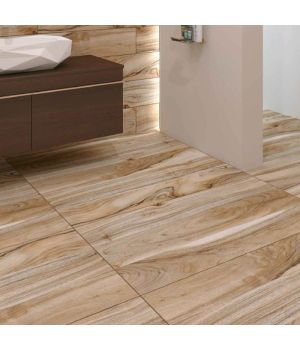
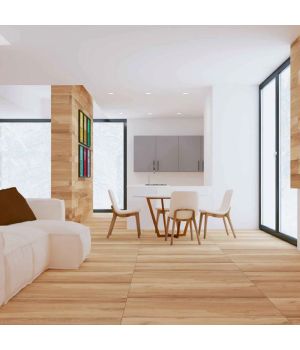
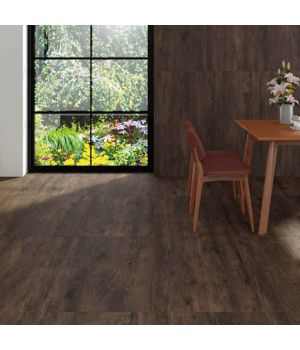
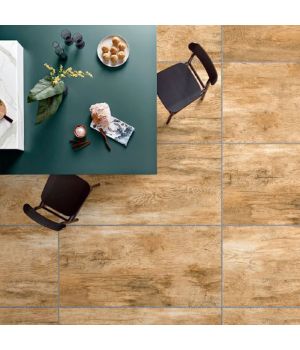
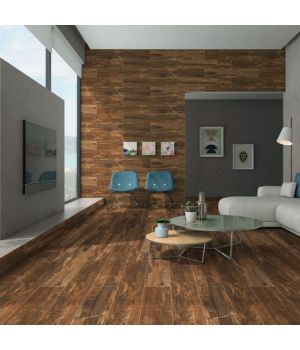
Our wood effect floor tiles range brings together porcelain planks that give the look and warmth of timber with the practical advantages of tile — plus one outdoor paving option for deck-style spaces.
Ranges include Pearl Honey, Cherry Honey, Hickory Gris Grey, African Choco, Noicy Brown, Noicy Grey, Curly Oak, Alder Natural, Mumble, Tarima Roble, Grand Wood Effect and Fire Wood Maroon paving.
Benefits include authentic grain detail, warm appeal, low maintenance and suitability for busy homes and some outdoor spaces, with free samples and 0% finance available. Compare tile and timber in our wood effect tiles vs natural wood floors guide.


Real Wood vs Wood-Effect Porcelain: Appearance and Feel
Real wood offers genuine grain, natural patina and variation — but it scratches and marks more easily, and needs regular oiling, sanding or varnishing to stay in good condition.
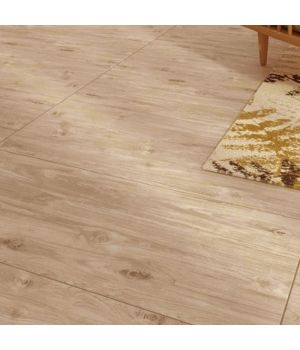
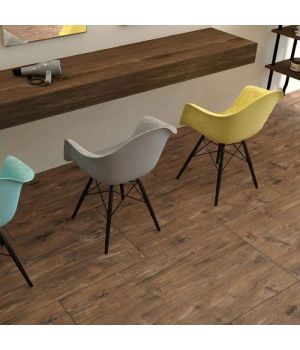
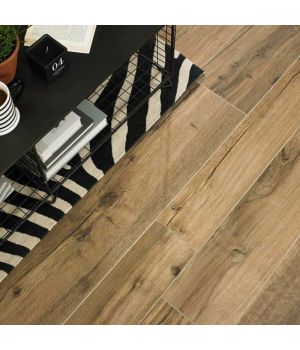
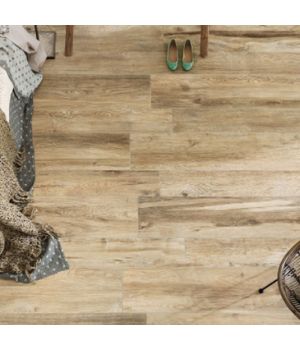
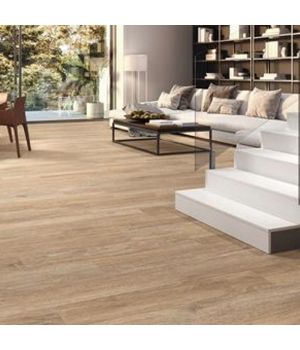
Wood-effect porcelain replicates knots, grain and warm tones through detailed printing in plank formats. Ranges like Alder Natural, Pearl Honey and Tarima Roble are genuinely difficult to tell from real timber.
Porcelain is far less sensitive to moisture and temperature changes, making it more stable than real wood in kitchens, bathrooms and rooms fitted with underfloor heating.
Choosing Wood-Effect Porcelain by Room and Setting
Warm mid-tone ranges — Pearl Honey, Cherry Honey, African Choco, Noicy Brown and Alder Natural — suit family kitchens, open-plan living spaces and hallways where a natural, welcoming mood works well.
Cooler options such as Hickory Gris Grey, Noicy Grey, Curly Oak White and Grand Wood Effect Prime Grey work well in modern living rooms, home offices and contemporary bathrooms.
Premium Mumble Wenge, Mumble Beige Light Oak and Mumble Honey Anti Slip suit higher-spec schemes where a refined wood look and extra grip in wet or busy zones are both needed.
Fire Wood Maroon Wood Effect Porcelain Paving creates an outdoor deck-style look on patios and terraces without timber maintenance — particularly effective when coordinated with indoor wood-effect tiles.
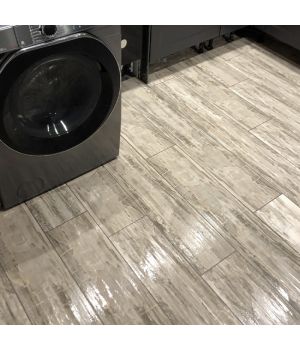
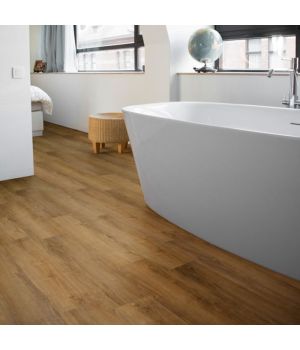
Wood-effect porcelain is the practical choice in bathrooms, utility rooms and kitchens — spaces where real wood is vulnerable to moisture, humidity and frequent spills.
- Lay plank tiles along the main axis of a room — running planks lengthways makes a space feel longer, while a horizontal layout can make a narrow room feel shorter.
- For living room floor tiles, cooler wood tones like Prime Grey keep the space bright; deeper shades like Mumble Wenge add warmth and visual weight to larger rooms.
- In open-plan kitchens and living areas, running the same wood-effect tile across both zones creates a unified floor that connects the spaces without a visual break.
- In bathrooms and wet rooms, choose a textured or matte wood-effect finish — smooth or polished surfaces can be slippery underfoot when wet.
- Use a matching threshold trim between wood-effect tiles and other floor finishes for a clean, professional transition that avoids an abrupt change between rooms.
- For outdoor-to-indoor continuity, coordinate Fire Wood Maroon paving with a similarly toned interior wood-effect tile — this creates a visual link between living areas and garden spaces.
- Order extra tiles from the same production batch and keep them in reserve — finding a precise colour and texture match years later is harder than it sounds.
Moisture, Maintenance and Underfloor Heating: The Practical Case for Wood-Effect Porcelain
- Always leave expansion joints around the perimeter when laying — tiled floors still need room to move, especially where underfloor heating creates regular thermal expansion and contraction cycles.
- Order spare tiles from the same batch and store them after installation — matching colour and texture from a different production run years later is rarely straightforward.
- Place entrance mats at external doors to catch grit before it reaches the tiles — fine particles tracked in underfoot cause more surface wear than most household cleaning routines.
- Before laying over underfloor heating, confirm the adhesive is rated for heated subfloors — using an unsuitable adhesive can weaken the bond as the floor cycles between temperatures.
- Use a pH-neutral cleaner rather than anything acidic or abrasive — harsh products can affect the printed surface finish and dull the appearance of polished or semi-polished tiles.
- Use grout colour that closely matches the tile — strong contrast between plank tiles and grout joints works against the wood-floor illusion on the finished surface.
Real Wood, Wood-Effect Porcelain or Wood-Effect Paving — Which Is Right for Your Project?
This page covers wood-effect porcelain, but many buyers will compare it with real timber flooring and outdoor wood-effect paving before making a final decision.
| Option | Best for | Key benefit |
|---|---|---|
| Real wood flooring | Traditional homes, living rooms and bedrooms wanting natural character | Genuine grain, patina and warmth that ages naturally over time |
| Wood-effect porcelain floor tiles (Pearl Honey, Noicy Grey, Alder Natural, Mumble etc.) | Kitchens, bathrooms, hallways and spaces needing low maintenance | Moisture-resistant, scratch-resistant and compatible with underfloor heating |
| Wood-effect porcelain paving (Fire Wood Maroon) | Patios, terraces and outdoor deck-style spaces | Frost-resistant timber look with no weathering or maintenance required |
Wood-Effect Porcelain Floor Tile Prices: UK Budget Guide
Core wood-effect porcelain ranges — Pearl Honey, Cherry Honey, Hickory Gris Grey, African Choco, Noicy Brown, Noicy Grey, Curly Oak and Alder Natural — are available at around £17.97 per m².
Mid-range Grand Wood Effect and Tarima Roble sit at £29.99–£31.95 per m². Premium Mumble collections reach around £39.97 per m². Fire Wood Maroon paving is approximately £19.97 per m².
Always add 10–15% to your measured area for cuts and wastage — directional plank layouts increase off-cuts. Budget separately for adhesive, grout, threshold trims, underfloor-heating mats and installation labour.
| Price band | Approx. price per m² | Best suited to |
|---|---|---|
| Core wood-effect porcelain | £17.97 | Kitchens, hallways, bathrooms and everyday living spaces |
| Mid-range wood-effect porcelain | £29.99–£31.95 | Open-plan spaces and higher-specification residential projects |
| Premium Mumble collections | £39.97 | Luxury interiors and high-spec commercial or residential schemes |
| Wood-effect porcelain paving | £19.97 | Patios, terraces and outdoor deck-style areas |


Wood-Effect Floor Tile FAQs
How realistic do wood-effect porcelain floor tiles look compared to real wood?
Very close. Digital printing and embossed textures replicate grain, knots and tones convincingly — ranges like Alder Natural and Tarima Roble are genuinely difficult to distinguish from real timber.
Can I use wood-effect floor tiles in bathrooms and kitchens?
Yes. Unlike real timber, porcelain is low-porosity and resistant to moisture — it won't swell or warp, making it well suited to kitchens, bathrooms and utility rooms.
Are wood-effect porcelain tiles suitable for underfloor heating?
Yes. Porcelain conducts heat well and suits modern electric underfloor heating systems — an advantage over solid wood, which is often incompatible or requires more careful heat management.
Do wood-effect tiles feel cold underfoot?
Porcelain is cooler underfoot than timber initially, but pairs well with underfloor heating, which brings the surface to a comfortable temperature quickly and evenly throughout the room.
Are wood-effect porcelain floors easier to look after than natural wood flooring?
Yes. Porcelain needs no oiling, sanding or varnishing — just regular sweeping and mopping with a suitable cleaner. There is no periodic refinishing required as there is with real wood.