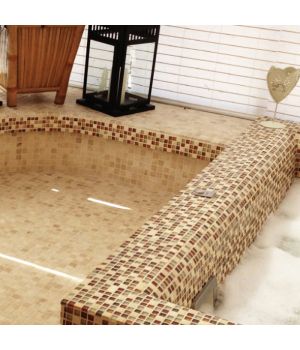
Cream Floor Tiles
Luxury Cream Porcelain Tile Ideas
This page showcases cream porcelain and stone floor tiles in matt, polished, and marble-effect finishes — a warm, timeless neutral that suits kitchens, bathrooms, hallways, and living spaces in equal measure.
Free samples are available on most lines, and 0% finance options can help spread the cost of a larger project. For visual inspiration before you choose, see our 25 floor tile ideas guide to see how cream floors work in a range of room settings.


Cream Matt, Polished and Marble-Effect Floor Tiles
Cream matt floor tiles absorb light rather than reflecting it, giving floors a relaxed, comfortable quality. The flat surface also conceals everyday scuffs, footprints, and minor marks between cleans — a practical advantage in family kitchens, utility rooms, and busy hallways.
Cream polished tiles such as the Ethimo Crema Polished range introduce a reflective quality that brightens rooms noticeably. They suit formal living areas, larger bathrooms, and entrance halls where extra light and a dressier floor finish are the aim. They require slightly more upkeep in high-traffic areas.
Cream marble-effect floor tiles — available in both polished and honed interpretations — add tonal movement and a sense of luxury without the cost or maintenance of real natural stone. These suit bathrooms, open-plan living areas, and entrances where the floor is a considered design feature rather than simply a background surface.
Room-by-Room Guide to Cream Floor Tiles
Austin Beige Cream Matt Rectified Porcelain Tiles in 60x60 are a reliable workhorse for family kitchens and open-plan spaces — the rectified edge makes grout lines tight, and the matt finish handles the demands of a busy floor without looking tired.
Havana Beige Cream Matt R10 60x120 Porcelain Tiles are the go-to option where slip resistance matters alongside aesthetics. The R10 rating makes them appropriate for kitchens with frequent wet spills, utility rooms, and bathrooms where extra grip near the shower or bath is a practical requirement. For full planning advice on kitchen floor schemes, see the kitchen floor tiles range for coordinating options.
Lagos Beige Cream Matt 90x90 Porcelain Tiles work best in larger rooms where the big format does justice to the size of the space — open-plan living rooms, wide hallways, and generous kitchens benefit from the fewer grout lines and the expansive, calm quality these tiles bring.
Lisbon Beige Ivory Matt Ceramic Tiles offer a cost-effective cream option for lighter-use rooms where porcelain's hardness is not a strict requirement — spare bedrooms, utility areas, and conservatories are all appropriate applications for a well-priced ceramic alternative.
- Cream matt porcelain in a busy kitchen — the flat finish handles grease, spills, and daily cleaning without showing every mark.
- R10-rated cream tiles near external doors, in utility rooms, and around showers where wet floors are a regular occurrence.
- Cream marble-effect tiles in a hallway entrance create a warm, polished first impression without committing to real stone upkeep.
- Large-format 90x90 cream tiles in an open-plan living and dining area unify the space and reduce visual interruption from grout lines.
- Ceramic cream tiles in a conservatory or occasional-use room keep project costs down without any visible compromise to everyday appearance.
Materials and Performance
Porcelain is the default choice for cream floor tiles in kitchens, bathrooms, and hallways. Its density and low water absorption make it resistant to staining, cracking, and the damp conditions present in the rooms where cream tiling is most popular.
Ceramic cream floor tiles are a practical choice for lighter-traffic rooms and tighter budgets. Softer and slightly more porous than porcelain, they perform well in areas away from heavy wet use — spare rooms, conservatories, and utility spaces. For a detailed comparison of both material types, see our range of porcelain tiles alongside the ceramic options on this page.
Cream natural stone — travertine in particular — offers a tactile, genuinely premium alternative to porcelain or ceramic. The surface variation and natural warmth of real stone is something manufactured tiles approximate rather than replicate. Stone requires sealing before use and periodic re-sealing, particularly in kitchens and bathrooms where moisture and spillage are regular factors.
Most porcelain cream floor tiles are compatible with underfloor heating systems — check individual product specifications for confirmation before purchasing for a heated floor installation.
- Choose porcelain for kitchens, bathrooms, and hallways — the hardness and low porosity make it the most practical long-term option.
- Choose ceramic for lighter-use rooms, budget projects, and spaces where heavy daily traffic is not a factor.
- Choose natural stone cream tiles for premium bathrooms or living areas where the authentic material character is worth the additional maintenance.
- Consider R10-rated porcelain wherever wet floors are a daily reality — the grip benefit outweighs any minor aesthetic difference versus a standard matt tile.
Comparing Cream Floor Tile Finishes
Different cream finishes suit different rooms, light levels, and practical requirements — this table helps clarify the key distinctions before you choose.
| Finish | Best For | Key Benefit |
|---|---|---|
| Matt | Family kitchens, hallways, busy rooms | Hides marks, softer underfoot feel, low maintenance |
| Polished | Living rooms, formal bathrooms, entrances | Reflects light, bright finish, premium appearance |
| Textured / R10 | Wet rooms, utilities, near external doors | Improved grip when wet, safer for all household members |
Cream Floor Tile Prices and Budget Guide
Cream floor tiles on this page cover a broad price spectrum — from accessible everyday porcelain and ceramic options through to larger-format R10 designs and premium natural stone finishes. Setting a per-m² budget before browsing keeps the selection manageable and avoids over-committing on a single room.
Add 10–15% to your measured floor area when placing your order to allow for cuts, breakages, and any pattern direction changes at doorways. Factor in grout, adhesive, edge trims, and any specialist fittings for natural stone or larger formats before finalising your project budget.
| Price Band | Approx. Price per m² | Best Suited To |
|---|---|---|
| Value | From around £16–£22 | Everyday cream porcelain and polished options |
| Mid-range | Around £22–£35 | Large-format cream, R10-rated, marble-effect designs |
| Premium | Around £35–£50+ | Cream natural stone, high-spec porcelain, feature floors |


Cream Floor Tiles — Frequently Asked Questions
Will cream floor tiles show dirt easily?
Matt cream tiles are forgiving of light dust and everyday marks. Polished cream tiles show watermarks and footprints more readily — regular sweeping and mopping keeps both looking their best.
Are cream tiles suitable for busy family kitchens?
Yes. Matt or R10-rated cream porcelain tiles handle kitchen spills, heavy foot traffic, and daily mopping well. Their warm neutral tone also hides minor marks better than very pale white alternatives.
Do cream floor tiles look dated or modern?
Cream is a genuinely timeless neutral — it has been used in interiors for decades without becoming associated with any single era. Contemporary formats and marble-effect patterns keep cream floors feeling current.
Can I use cream floor tiles in bathrooms?
Yes. Cream porcelain is water resistant, easy to clean, and works well in bathrooms. Choose an R10-rated option for shower floors and wet rooms where slip resistance is a priority.
What wall colours work best with cream floors?
Cream floors work with almost everything — warm whites, sage greens, dusty blues, and earthy terracottas all complement them well. Darker wall tones create contrast; lighter walls keep the room feeling airy and open.