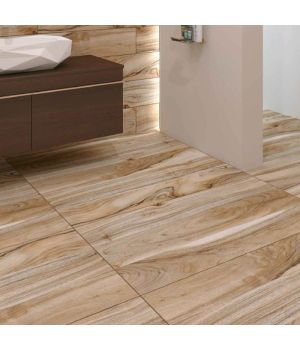
Wood Effect Wall Tiles
-
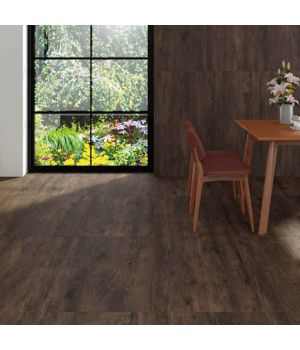
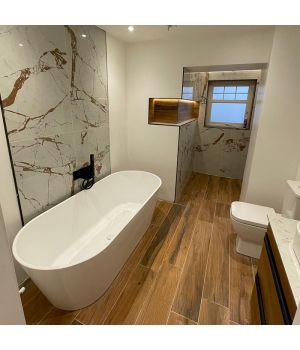
Impact Brown Wood Effect Porcelain Tiles£ 17.97 /m2 Regular Price £25.00 /m2 -
Cedar Brown Wood Effect Porcelain Tiles£ 17.97 /m2 Regular Price £30.00 /m2 -
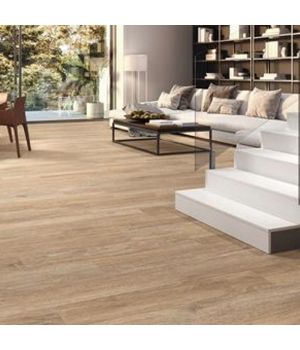
Alder Natural Wood Effect Porcelain Tiles£ 17.97 /m2 Regular Price £29.50 /m2 -
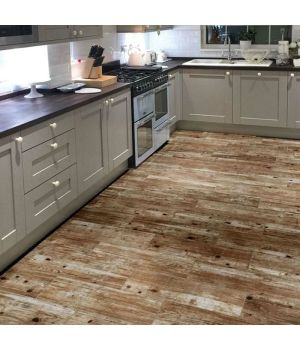
Curly Oak Dark Wood Effect Porcelain Tiles£ 17.97 /m2 Regular Price £26.50 /m2 -
Mumble Honey Wood Effect Anti Slip Porcelain Tiles£ 39.97 /m2 Regular Price £56.00 /m2 -
Mumble Wenge Wood Effect Porcelain Tiles£ 39.97 /m2 Regular Price £42.00 /m2 -
Tarima Roble Wood Effect Porcelain Tiles£ 31.95 /m2 Regular Price £36.00 /m2 -
Noicy Grey Wood Effect Porcelain Tiles£ 17.97 /m2 Regular Price £25.00 /m2 -
Grand Wood Effect Rustic Chocolate Porcelain Tiles£ 29.99 /m2 Regular Price £42.00 /m2 -
Grand Wood Effect Natural Cold Brown Porcelain Tiles£ 29.99 /m2 Regular Price £45.00 /m2
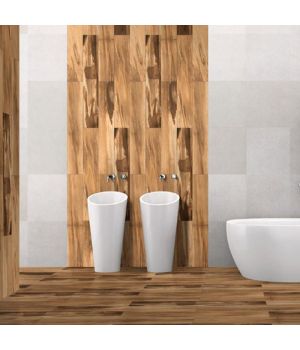
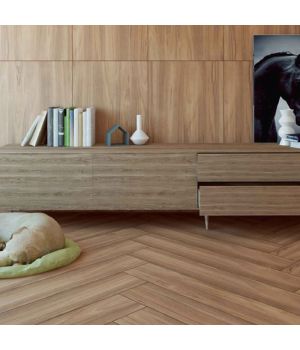
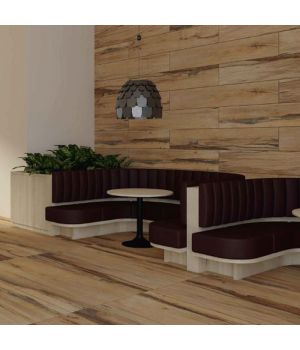
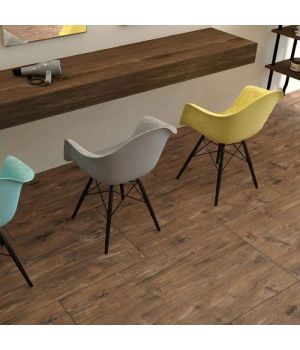
Wood Feature Wall Using Porcelain Tiles
This page covers our full range of wood effect wall tiles — chosen for bathrooms, kitchens, living rooms and feature walls where a timber look is wanted without the limitations of real wood.
These tiles are made from porcelain and ceramic, so they recreate the look of timber cladding and panelling with the durability and water resistance that natural wood simply cannot offer on a wall.
What are wood effect wall tiles?
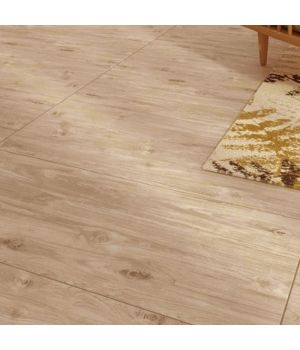
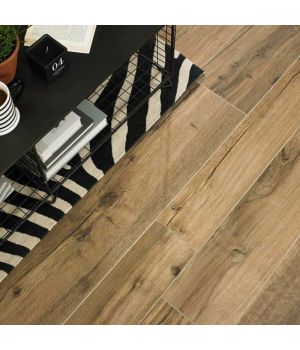
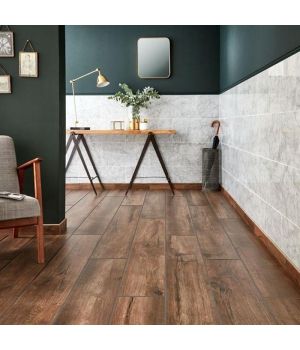
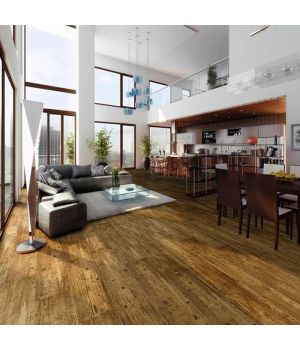
Wood effect wall tiles are porcelain or ceramic tiles digitally printed and surface-textured to replicate the appearance of real timber planks or panels.
The printing technology has become precise enough that grain patterns, knots and tonal variation all read convincingly close to the real thing — particularly from a normal viewing distance.


Choosing wood effect wall tiles for each room
The same wood effect tile can work in very different ways depending on the room it goes into. Getting the colour tone, finish and layout right for the specific space makes the difference between a wall that feels considered and one that misses.
For bathroom tiles and kitchen installations, water performance and ease of cleaning are the first questions to settle. For kitchen tiles, coordination with cabinetry and worktops comes into it too.
Bathroom and kitchen tips:
- All porcelain wood effect wall tiles are water-resistant, but check the slip rating on any product you are considering for a walk-in shower — the wall tile rating matters as well as the floor.
- Lighter wood tones — pale oak, ash, bleached pine — work well in smaller bathrooms, keeping the room feeling open rather than closed in.
- Darker walnut and smoked wood tones suit larger bathrooms where you want warmth and depth rather than brightness.
- On a kitchen splashback, a horizontal plank layout in a mid-oak or grey wood tone pairs naturally with most cabinet finishes without competing with them.
- A matt or lightly textured finish is easier to keep clean on a kitchen wall than a high-gloss surface, where grease marks are more visible.
Living space and bedroom tips:
- A full wall of wood effect tiles behind a television creates a warm, organic backdrop that reads well in both daylight and artificial evening light.
- Behind a bed, a panel of vertical-format wood effect tiles adds height to the wall and anchors the headboard area without the upkeep of real timber cladding.
- In a living room or dining area, mixing two tonal shades of the same wood-effect tile in a staggered layout creates a panelled effect that adds visual interest without needing separate materials.
- Wood effect tiles work well alongside painted plasterwork — the tile does not need to cover the entire wall to make an impact as a feature panel.
Finishes, colours and layout ideas
Most wood effect wall tiles are finished in matt or lightly textured surfaces — the kind of finish that feels closest to running a hand along real timber rather than against a hard, shiny tile. The texture is usually subtle enough to keep cleaning easy while still breaking up the light across the grain in a way that gives the tile its depth.
Layout and colour tips for wood effect wall schemes:
- Lay planks horizontally to widen a narrow bathroom or hallway — it is the most natural direction for a timber look and reads immediately as intentional.
- Vertical plank layouts add ceiling height to a room and work particularly well in shower enclosures and behind kitchen ranges where the full wall height is being tiled.
- A staggered brick-bond offset between planks adds subtle movement to the wall without introducing a second tile or colour.
- Mixing two tones of the same wood-effect range — for instance a pale oak and a mid-oak — in alternating rows creates a panelled or reclaimed timber look on a feature wall.
- Keeping grout colour close to the tile tone makes the wall read as continuous planking rather than individual tiles — a light grey or warm buff grout tends to disappear into most wood-effect ranges.
For further ideas on wall tile layouts and how different formats can change a room, take a look at 101 wall tile designs to impress the neighbours.
Compare wood effect wall tile looks
Deciding on the right wood effect style before ordering makes the rest of the project straightforward. This table covers the three most common options.
| Wood effect style | Key features | Best wall uses |
|---|---|---|
| Rustic wood-effect walls | Prominent grain, knot detail and tonal variation for a characterful, aged timber look. | Living room feature walls, kitchen splashbacks and country-style bathroom walls. |
| Modern grey wood-effect walls | Cool, washed grey tones with a clean grain — sits naturally in contemporary interiors. | Modern bathrooms, open-plan kitchen walls, TV walls and bedroom feature panels. |
| Light Scandinavian wood-effect walls | Pale oak and ash tones with a minimal grain pattern for a calm, airy finish. | Small bathrooms, en suites, hallways and any room where a light, open feel is the goal. |
Wood effect wall tile prices
Wood effect wall tiles at TilesPorcelain span a range of price points from everyday plank tiles to detailed designer options. Exact prices per m² vary by tile size, the level of surface and colour detail, and any deals running at the time — the product grid always reflects live pricing and current offers.
| Price band | Approx. price per m² | Typical products |
|---|---|---|
| Good-value | Around £20–£30 per m² | Standard plank-format wood effect tiles in popular oak and ash tones, plain grain patterns. |
| Mid-range | Around £30–£45 per m² | More detailed grain and colour variation, wider format planks, grey and walnut colourways. |
| Premium | Around £45–£60+ per m² | Large-format wood effect wall tiles, highly realistic print detail, designer and specialist finishes. |


Wood effect wall tiles FAQs
Are wood effect wall tiles suitable for bathrooms and showers?
Yes. Porcelain wood effect wall tiles are water-resistant and well-suited to bathrooms and shower walls. They are far more practical in wet areas than real timber cladding.
Can I use wood effect wall tiles behind a kitchen hob?
Yes, porcelain and ceramic tiles handle heat and grease well in this position. A matt or lightly textured finish is easiest to keep clean on a kitchen splashback.
Do wood effect wall tiles need special cleaning products?
No. Standard household cleaners and a soft cloth are sufficient for routine cleaning. There is no oiling, sealing or specialist maintenance required, unlike real timber.
How realistic do wood effect wall tiles look?
Modern digital printing produces convincing grain, knot detail and tonal variation. On a wall at normal viewing distance, a good quality wood effect tile reads very closely to real timber cladding.
Can I match wood effect wall tiles with wood effect floor tiles?
Yes, and it is a popular approach in bathrooms and living spaces. Choose tiles from the same range or stick to the same colour tone for a coordinated result without an exact match feeling too uniform.